
On this page
Published: January 7, 2024 · Last reviewed: May 1, 2026
Key Takeaways
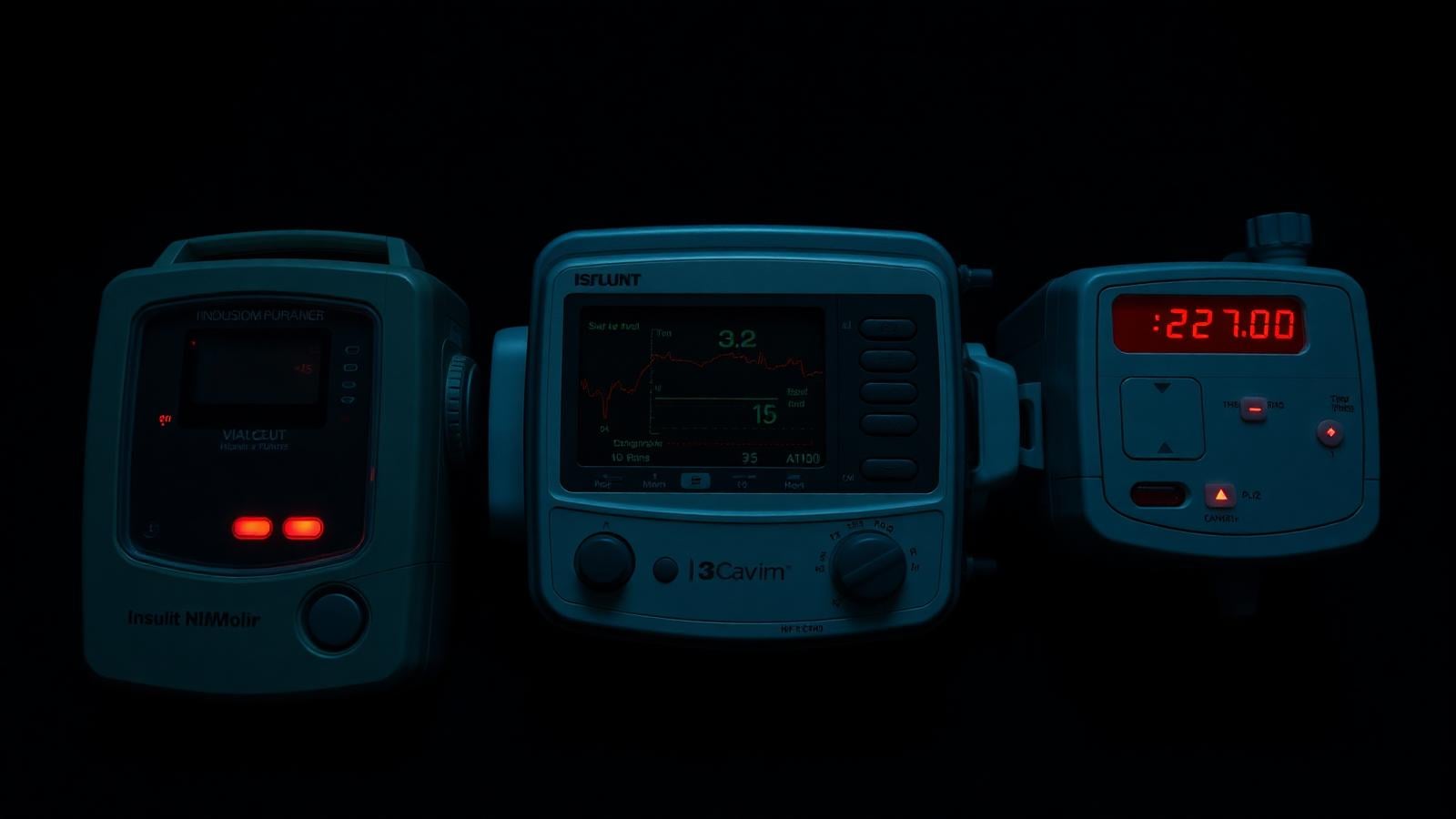
- Insulin pumps and pacemakers are highly vulnerable.
- Infusion pumps can be manipulated for incorrect dosages.
- Patient monitors are targets for vital sign falsification.
- Surgical robots present risks of control loss.
- Hospital networks are critical points of widespread attack.
- Manufacturers must prioritize cybersecurity in design.
The top 10 medical devices most exposed to cyber attacks, why each is vulnerable, and the cybersecurity controls manufacturers should apply before submission.
Reviewed July 24, 2026
The increasing interconnectedness of medical devices has led to a rise in cybersecurity concerns, particularly when these devices are compromised, potentially resulting in patient harm or even death. This post explores various high-profile instances of medical device hacking. It discusses the top 10 medical devices that have been targeted, emphasizing the urgent need for cybersecurity in healthcare technology.
Why this matters
The stakes in medical device cybersecurity are profoundly high, directly impacting patient safety, clinical efficacy, and institutional integrity. Breaches can lead to device malfunction, data theft, and even life-threatening consequences, necessitating rigorous protective measures. The FDA's 'Cybersecurity in Medical Devices' Final Guidance, dated February 3, 2026, underscores the critical need for security by design (SBD) and postmarket surveillance. This guidance emphasizes proactive risk management throughout the device lifecycle, from development to retirement. Beyond FDA mandates, adherence to standards like IEC 81001-5-1 (Health software, security activities in the product life cycle), ISO 27001 (Information Security Management), and AAMI TIR57 (now supplemented by ANSI/AAMI SW96:2023) (Principles for medical device security) is crucial. These frameworks guide manufacturers and healthcare providers in identifying, assessing, and mitigating cybersecurity risks. Ignoring these guidelines not only risks regulatory non-compliance but, more importantly, jeopardizes patient trust and well-being, potentially resulting in severe medical adverse events and significant financial and reputational damage for healthcare organizations.
Significant Medical Device Hacking Incidents
1. Compromised Insulin Pumps Insulin pumps, vital for diabetes management, have been targets for hackers. In a notable 2011 incident, a security expert showed how specific insulin pumps could be manipulated remotely, risking insulin overdose. Fortunately, no fatalities were reported, but the potential for serious harm was evident.
2. Pacemaker Vulnerabilities Pacemakers, essential for regulating heart rhythm, have not been immune to hacking threats. A significant recall in 2017, involving hundreds of thousands of pacemakers, was due to vulnerabilities that could let hackers deplete the battery or alter the pacing, which could be life-threatening.
3. Hospital Network Cyber-Attacks In 2017, the WannaCry ransomware attack disrupted the UK’s National Health Service (NHS), causing appointment cancellations and emergency patient rerouting. While this wasn’t a direct attack on a medical device, it showcased how cyber-attacks could indirectly impact patient care and safety.
Top 10 Vulnerable Medical Devices
It’s essential to understand the specific vulnerabilities and implications of cyber-attacks on these devices, which play a crucial role in patient care:
1. Insulin Pumps
- Description: Small, computerized devices that deliver insulin to diabetic patients in controlled doses.
- Vulnerabilities: Weak encryption, unsecured wireless communication.
- Attack Methods: Intercepting and altering insulin dosage instructions.
- Impact: This can lead to severe hypo- or hyperglycemia.
- Documented Incidents: Researchers have demonstrated the ability to control insulin pumps and alter dosing levels remotely.
2. Pacemakers
- Description: Devices implanted in the chest to help control abnormal heart rhythms.
- Vulnerabilities: Susceptible to wireless signal interception and reprogramming.
- Attack Methods: Hacking to change heart rhythms, stop functioning, or drain batteries.
- Impact: This can cause cardiac arrest or other serious cardiac events.
- Documented Incidents: Security researchers have found vulnerabilities in several pacemaker models that could be exploited.
3. Infusion Pumps
- Description: Devices used to deliver fluids, including medications, at a set rate.
- Vulnerabilities: Network connection breaches.
- Attack Methods: Altering drug formulas, dosages, or infusion rates.
- Impact: Risk of drug overdose or underdose.
- Documented Incidents: The FDA has issued warnings about specific infusion pump models vulnerable to hacking.
4. Patient Monitors
- Description: Devices that continuously monitor and display vital signs like heart rate and blood pressure.
- Vulnerabilities: Data transmission interception/manipulation.
- Attack Methods: Falsifying vital sign data.
- Impact: Misdiagnosis or delayed treatment.
- Documented Incidents: Hacking demonstrations have shown potential for manipulating patient monitor data.
5. MRI Machines
- Description: Advanced imaging devices are used to visualize the body’s internal structures.
- Vulnerabilities: Software/hardware disruption.
- Attack Methods: Introducing malware or system breaches.
- Impact: Incorrect imaging results.
- Documented Incidents: While direct attacks are rare, MRI machines are often impacted in broader healthcare cyber-attacks.
6. Radiation Therapy Systems
- Description: Equipment used for cancer treatment by delivering radiation to target areas.
- Vulnerabilities: Software manipulation.
- Attack Methods: Altering radiation dosage levels.
- Impact: Incorrect radiation doses can harm patients.
- Documented Incidents: Specific vulnerabilities have been identified, though no direct attacks are publicly known.
7. Diagnostic and Imaging Equipment
- Description: Includes CT scanners, ultrasound machines, and other diagnostic tools.
- Vulnerabilities: Susceptible to hacking and providing false diagnostic information.
- Attack Methods: Manipulating imaging results.
- Impact: Leads to incorrect treatment decisions.
- Documented Incidents: Generally, vulnerabilities are known, but direct attacks are less common.
8. Surgical Robots
See also: When to Start Medical Device Cybersecurity, CVSS 3.1 vs 4.0 for Medical Devices: Safety & Automatable Metrics, and Hire Cybersecurity Consultant vs. In-House.
- Description: Robotic systems used for performing precise, minimally invasive surgeries.
- Vulnerabilities: Dependence on precise control and network connectivity.
- Attack Methods: Loss of control or manipulation of movements.
- Impact: Potential for surgical errors.
- Documented Incidents: Researchers have demonstrated theoretical vulnerabilities, though actual incidents are rare.
9. Defibrillators
- Description: Emergency devices used to deliver a dose of electric current to the heart.
- Vulnerabilities: Hacking to disrupt shocks or battery depletion.
- Attack Methods: Preventing the device from functioning in emergencies.
- Impact: Life-threatening if not available during cardiac emergencies.
- Documented Incidents: Vulnerabilities in certain models have been exposed, but no attacks have been reported.
10. Hospital Networking Equipment
- Description: The backbone of a hospital’s IT infrastructure, connecting various medical devices.
- Vulnerabilities: Network breaches can lead to widespread dysfunction.
- Attack Methods: Gaining unauthorized access to the network, affecting connected devices.
- Impact: Loss of critical patient data, malfunctioning of medical devices.
- Documented Incidents: Various healthcare networks have been victims of cyber-attacks, leading to significant disruptions.
These vulnerabilities highlight the importance of cybersecurity in the healthcare sector. As medical devices become increasingly interconnected and reliant on wireless technologies, they become more susceptible to cyber-attacks. This necessitates enhanced security protocols, regular software updates, and vigilant monitoring to protect patient safety and ensure the reliability of these essential devices.
Impact and Consequences
The repercussions of medical device hacking are grave:
- Patient Harm: Direct interference with device operations can lead to incorrect treatment, posing severe health risks.
- Erosion of Trust: Such security breaches can diminish confidence in medical devices and healthcare institutions.
- Economic Impact: Recovering from a cyber-attack can be costly due to device recalls, software upgrades, and potential legal implications.
Risk Mitigation Strategies
Effective strategies to mitigate these risks are crucial:
- Cybersecurity-Integrated Design: Manufacturers must prioritize cybersecurity in the development of medical devices.
- Frequent Updates: Regular software updates are essential to guard against emerging threats.
- Education and Awareness: Informing healthcare providers and patients about potential risks and safety practices is vital.
- Regulatory Enforcement: Strong cybersecurity standards for medical devices should be enforced by regulatory agencies.
- Penetration Testing: Test medical devices throughout the development lifecycle.
Future Challenges
The cybersecurity landscape is becoming more complex with the integration of AI and machine learning in medical devices. The industry must proactively update and enforce cybersecurity measures to stay ahead of potential threats.
Conclusion
The hacking of medical devices poses a significant threat, necessitating immediate and continuous action from all stakeholders in the healthcare sector. The balance between embracing technological advancements and ensuring the safety and security of these innovations is crucial for maintaining patient safety and confidence in healthcare systems.
Check out our medical device cybersecurity FDA compliance package.
How Blue Goat approaches this
Blue Goat Cyber’s approach to securing medical devices focuses on proactive vulnerability identification and mitigation. Our team, comprised of certified experts (CISSP, OSCP) and former military red team personnel, specializes in anticipating and neutralizing threats before they impact patients or operations. We conduct in-depth security assessments, penetration testing, and threat modeling tailored specifically to medical device ecosystems. Our methodology ensures that all potential entry points and attack vectors are systematically evaluated. We align our services with current regulatory landscapes, helping manufacturers and healthcare providers meet evolving requirements. Our commitment includes ensuring compliance and operational integrity. If the FDA raises cybersecurity deficiencies after our submission, we resolve them at no additional cost. We aim to elevate the security posture of medical devices, safeguarding patient care and data integrity. Learn more about our services at Medical Device Penetration Testing.
FAQ
What is the biggest cybersecurity risk for medical devices?
The biggest cybersecurity risk for medical devices stems from their increasing interconnectedness and reliance on wireless technologies. This expands the attack surface, making devices vulnerable to exploitation through weak encryption, unpatched software, or compromised network infrastructure. Successful attacks can lead to device malfunction and patient harm.
What medical devices are most commonly exploited in cyberattacks?
Medical devices most commonly exploited in cyberattacks include insulin pumps, pacemakers, and infusion pumps. These devices often have vulnerabilities related to wireless communication and software, making them attractive targets for adversaries aiming to alter their function or access sensitive data.
How does the FDA address medical device cybersecurity?
The FDA addresses medical device cybersecurity by establishing stringent premarket and postmarket requirements for manufacturers. The February 3, 2026 final guidance outlines expectations for secure product design, vulnerability management, and transparent disclosure of security information. The FDA's goal is to ensure device safety and effectiveness throughout their lifecycle.
What are the consequences of a medical device cyberattack?
The consequences of a medical device cyberattack are severe, including direct patient harm from device malfunction or manipulation, erosion of public trust in healthcare systems, and significant financial costs for healthcare providers. These costs can include recovery efforts, device recalls, software updates, and potential legal liabilities.
How can medical device cybersecurity be improved?
Medical device cybersecurity can be improved through several strategies. These include integrating cybersecurity into the device design phase, implementing frequent software updates, and educating healthcare providers and patients about potential risks. Regulatory enforcement and regular penetration testing are also vital to identify and mitigate vulnerabilities proactively.
About the author

Christian Espinosa, MBA, CISSP · Founder & CEO, Blue Goat Cyber
U.S. Air Force Academy graduate and veteran with 30+ years in cybersecurity. Founded Alpine Security in 2014 (acquired 2020), then Blue Goat Cyber in 2022. Has supported 250+ FDA medical device submissions; no client has failed to clear due to cybersecurity. Author of three books including The Smartest Person in the Room. Ironman triathlete and mountaineer.
Sources & references
Primary sources cited in this article. Links open in a new tab.