Secure by design. Cleared by the FDA.
The cybersecurity partner medical device manufacturers trust from first 510(k) to postmarket maturity. Senior-led, MedTech-only, fixed-fee.
At a glance
FDA submissions supported across 510(k), De Novo, and PMA
Cybersecurity rejections to date across every submission
Median time to draft an FDA deficiency response
Fee, scoped revisions, no surprise change orders
Med Device Cyber Podcast episodes published
MedTech security roots, narrowed to MedTech-only by 2017
Representative clients
A sample of manufacturers we've supported through FDA cybersecurity submissions, pen testing, threat modeling, and postmarket programs.







Recent recognition
Cybersecurity Partner of the Year
Solution of the Year, cover story
Service Provider Excellence
Clinical indications we support
Cardiovascular
Pacemakers, ICDs, cardiac monitors, AEDs
Surgical Robotics
Robot-assisted surgery, navigation, energy devices
Infusion & Drug Delivery
Smart pumps, insulin systems, auto-injectors
Diagnostic Imaging
MRI, CT, ultrasound, X-ray, AI-assisted reads
Wearables & RPM
Patches, continuous monitors, remote patient programs
In Vitro & Molecular Dx
Lab analyzers, point-of-care, genomics, NGS
Neuromodulation
DBS, SCS, vagus and peripheral nerve stimulators
SaMD & AI/ML
Decision support, image analysis, PCCP-enabled devices
Respiratory & Pulmonary
Oxygen concentrators, ventilators, breath analysis
Ophthalmic & Vision
Surgical, diagnostic, and vision-care systems
Orthopedics & Spine
Navigation, implants, ortho and dental systems
Digital Therapeutics
Prescription DTx and connected therapy apps
Delivery models
Four engagement shapes, pick what matches your milestone, not what fills a retainer. Every engagement is fixed-fee, scoped before kickoff, with a 24-hour proposal SLA.
| Model | Best for | Typical timeline |
|---|---|---|
| FDA Premarket Package (flagship) | Full 510(k)/De Novo/PMA cyber submission | 6 to 8 weeks |
| Single-deliverable | One artifact (pen test, threat model, SBOM) | 2 to 6 weeks |
| Deficiency surge | Active FDA cybersecurity AI letter | 48 hr to 30 days |
| Postmarket retainer | Cleared device, ongoing obligations | Continuous |
Where you fit in
Concept & Design
Premarket Submission
FDA Submission
FDA Response
Postmarket
The cost of waiting
Relative cost to remediate · by lifecycle stageThe later a cybersecurity gap surfaces, the more it costs to fix, and the more it threatens your clearance timeline. Engaging at concept is the cheapest insurance you can buy.
Illustrative. Industry studies consistently show 10–100× remediation cost between design and postmarket stages.
Schedule slip
Each FDA deficiency round adds 30 to 90 days of review clock. In-field findings stop shipments.
Rework cost
Late-stage fixes touch firmware, architecture, and labeling. Engineering hours scale with how late they land.
Patient-safety exposure
A vulnerability that surfaces postmarket can trigger a Safety Communication, recall, or 522 order.
Resubmission risk
Deficiency letters that bounce a second time force a new 90-day review cycle and reset the clearance plan.
Regulatory & legal
Postmarket incidents pull in MDR reporting, FDA Form 483 observations, and potential plaintiff exposure.
Methodology: 5-phase SPDF
Mapped 1:1 to FDA Section 524B and the Feb 3, 2026 premarket cybersecurity guidance. Every phase produces evidence the FDA will ask for, in the format reviewers expect.
Scope & Threat Model
Design-input review, asset inventory, STRIDE + patient-safety threat model, and a defensible attack surface map. Output: threat model document and security risk registry.
Architecture & Controls
Security architecture views, control selection (IEC 81001-5-1), data-flow diagrams, and trust-boundary documentation aligned with the risk management file.
Verify & Validate
SBOM generation (CycloneDX/SPDX), VEX statements, static/dynamic analysis, and full penetration testing across hardware, firmware, wireless, mobile, cloud, and AI/ML surfaces.
Submit & Defend
Submission package drafting, eSTAR mapping, reviewer Q&A, and rapid response to any cybersecurity deficiency letter, typically within 48 hours.
Sustain (Postmarket)
CVD program, SBOM/VEX maintenance, KEV monitoring, incident playbooks, and annual reassessment aligned with the FDA's postmarket guidance.
Proof
FDA submissions supported
Cyber-related submission failures
Median deficiency response
Senior-led, US-based delivery
Class II wearable, first 510(k), zero cyber deficiencies.
A pre-revenue wearable startup engaged us 9 weeks before submission with no formal threat model, an incomplete SBOM, and zero pen test evidence. We delivered the full 524B package: STRIDE plus patient-safety threat model, CycloneDX SBOM with VEX, hardware, firmware, and mobile pen test, architecture views, and labeling. All eSTAR-ready in 7 weeks.
"Their report helped us achieve FDA clearance without any additional questions. It was a truly seamless experience."
In the field
In the field
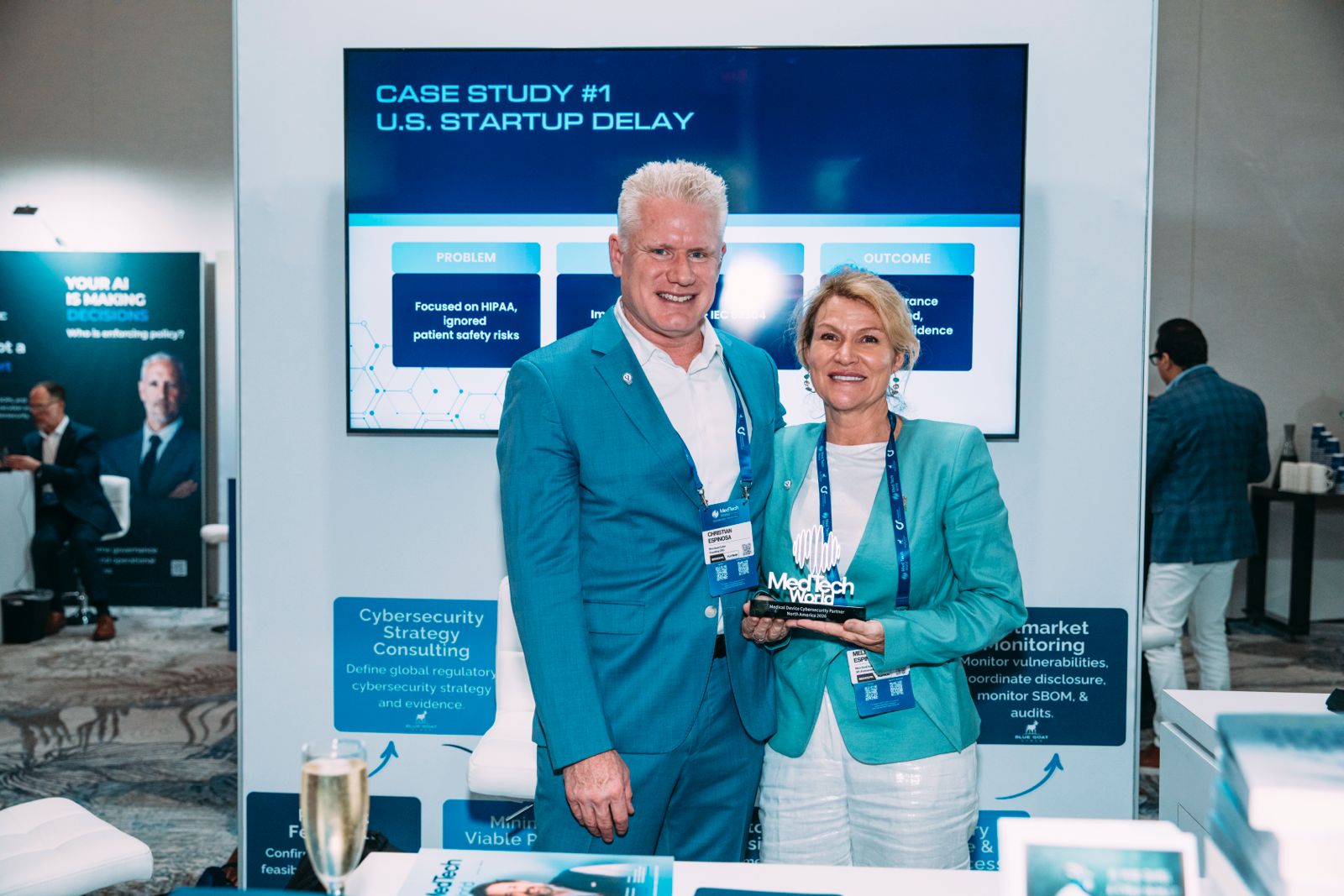
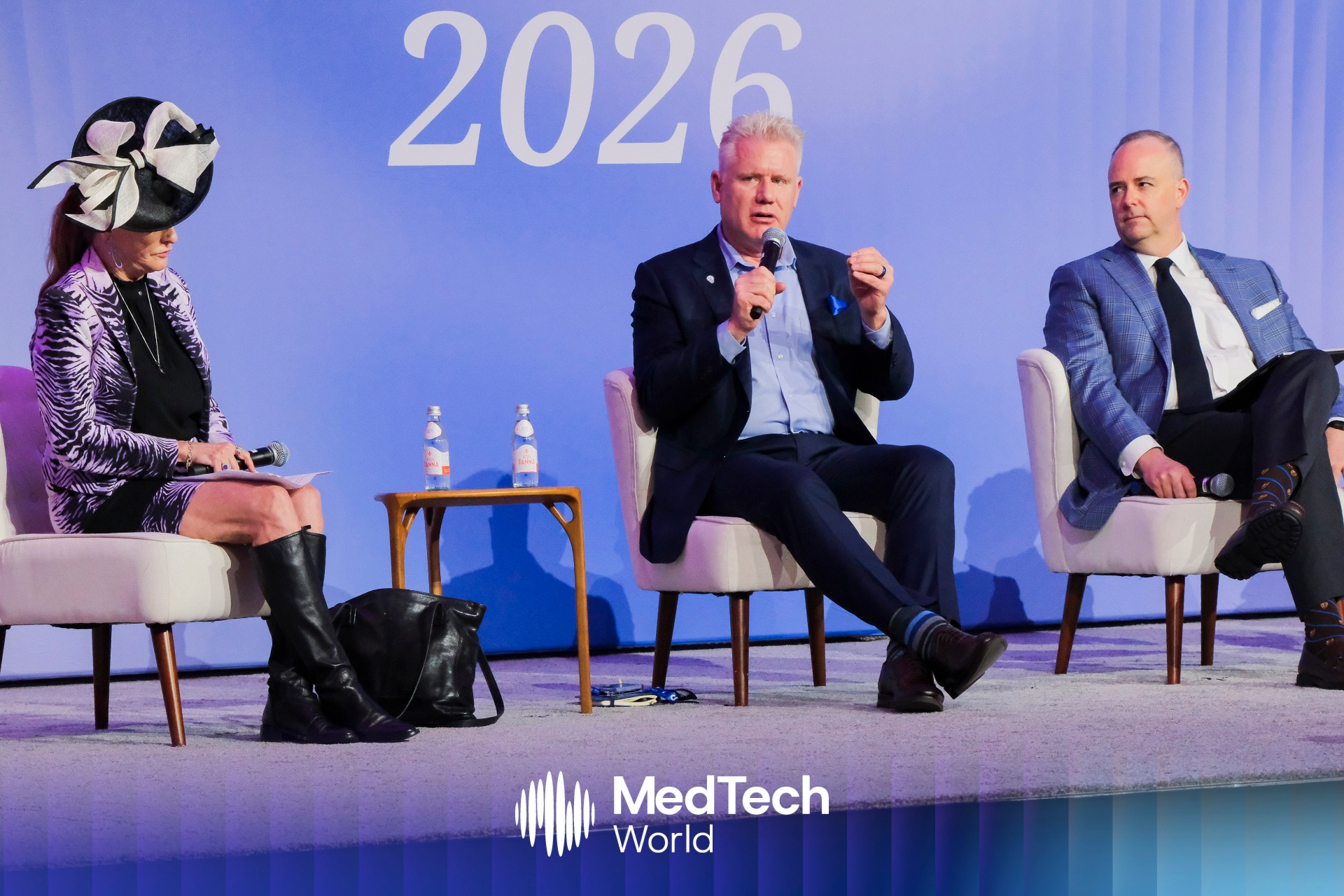
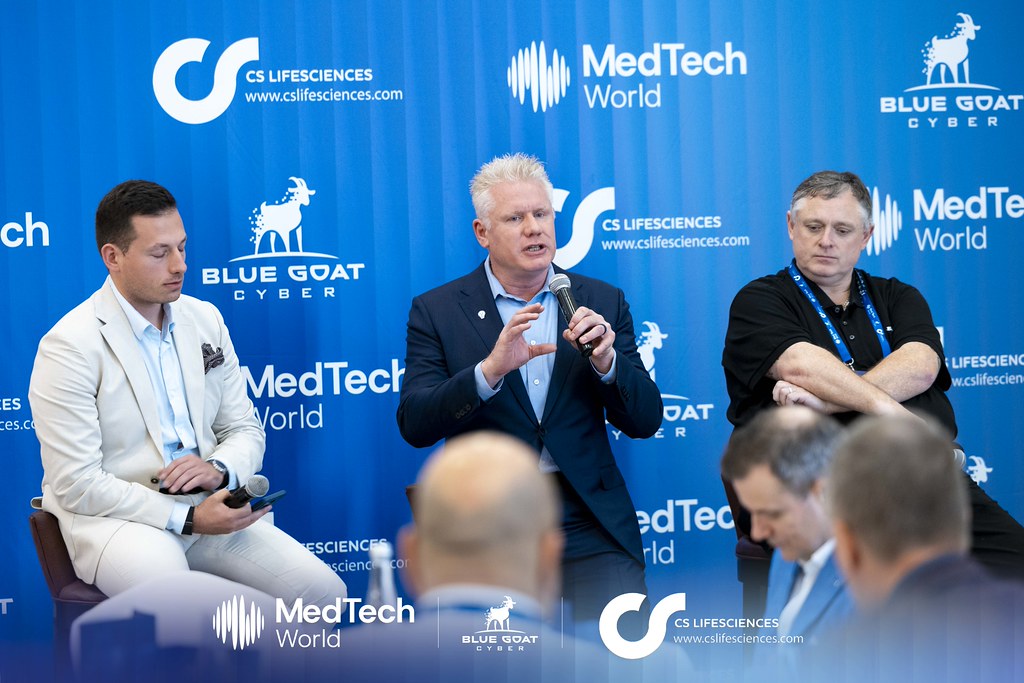
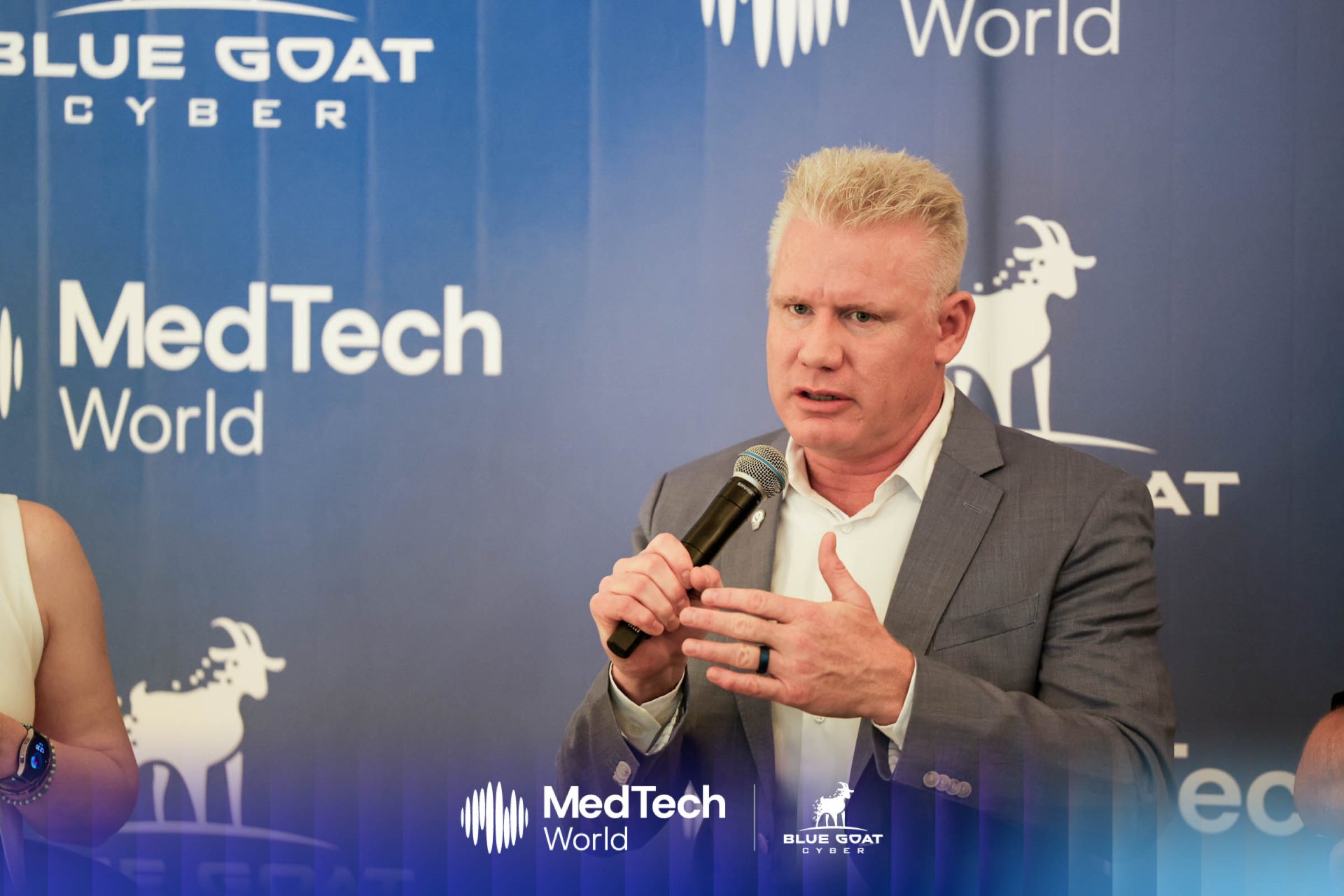
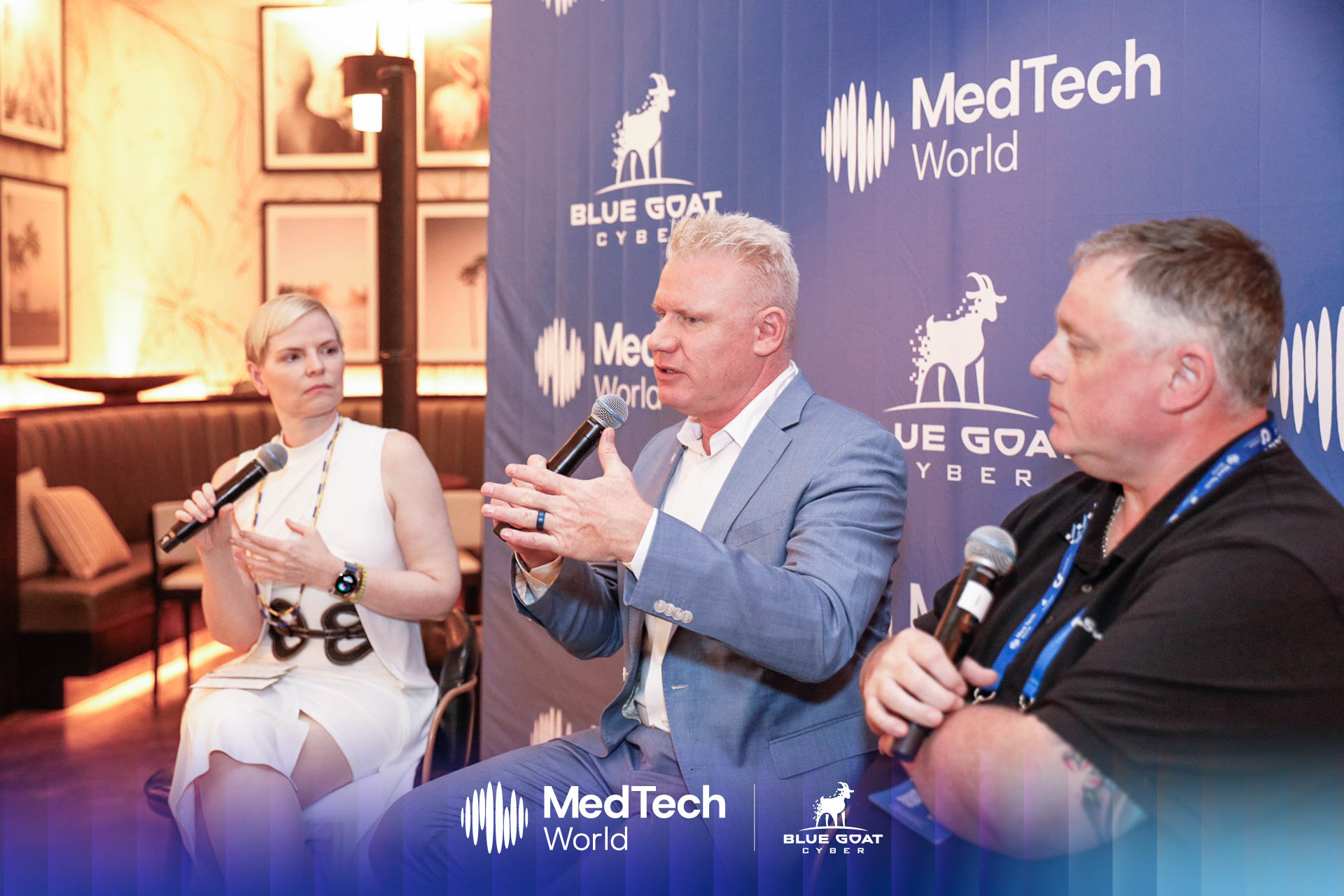
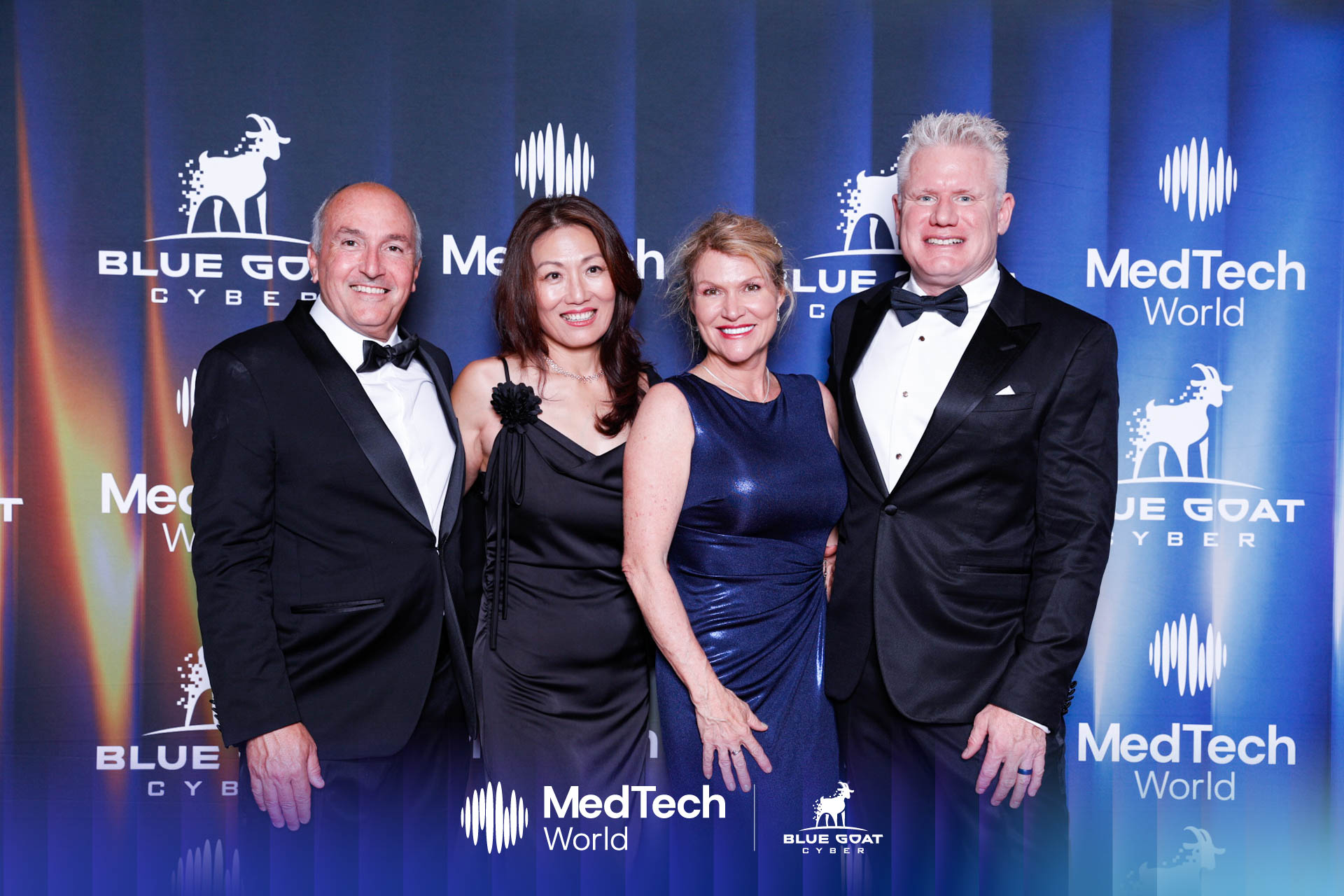
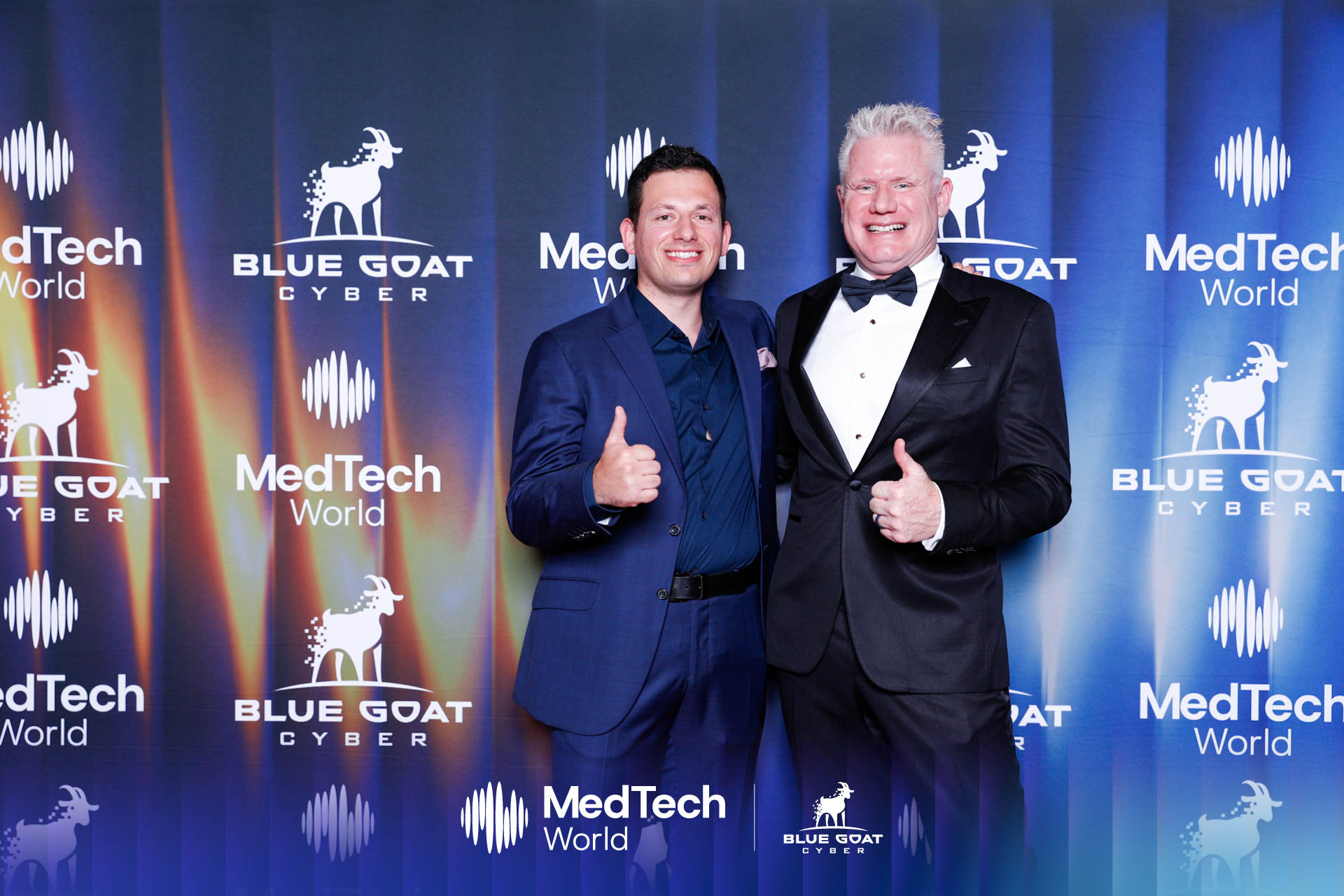
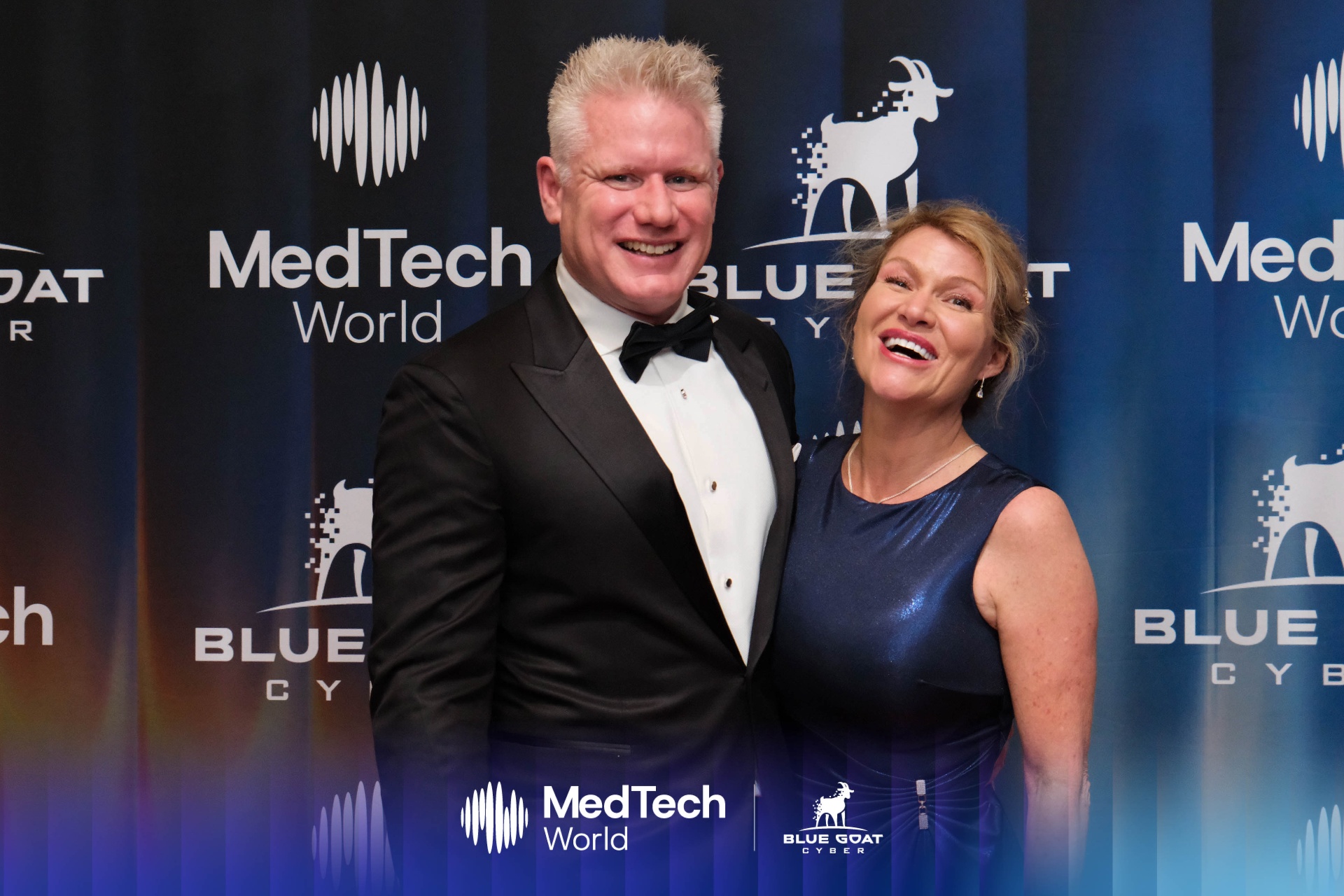
We earn trust the same way we earn submissions, by showing up. Recent moments from MedTech World North America, EU, and partner stages.
Leadership
Every engagement is led by someone on this page. The same people who scope your project are the ones writing your threat model, running your pen test, and defending your submission.

Christian Espinosa
U.S. Air Force Academy graduate and veteran, 30+ years in cybersecurity. Founded Alpine Security (acquired by CISO Global, 2020), then Blue Goat Cyber in 2022. Author of the forthcoming Medical Device Cybersecurity (2026). 275+ FDA submissions supported, zero cybersecurity rejections.
Full bio
Myles Kellerman
Heads Blue Goat's penetration testing practice across hardware, firmware, wireless, mobile, cloud, and AI/ML, plus red-team and physical assessments and product security consulting. 18+ years in IT, 13+ in cybersecurity. Previously Principal Consultant at Cerberus Sentinel; led pen testing at Alpine Security.

Jordan John
Owns the regulatory and compliance lane across FDA premarket and postmarket submissions. Aligns cybersecurity evidence with Section 524B, eSTAR, and the broader regulatory file so every package holds together end-to-end.

Melissa Espinosa
Builds and grows Blue Goat's channel and partner network. Former cardiac stepdown nurse, brings clinical insight to MedTech partnerships with consultants, regulatory experts, and technology vendors.

Kristy Kennedy
Global commercial leader with 25+ years across life sciences, medical device, and MedTech. Background spans sales, marketing, business development, and operations, including product launches and go-to-market strategy.

Michelle Hughes
Drives complex MedTech cybersecurity engagements from kickoff through FDA clearance. Coordinates technical, QA, and regulatory workstreams to keep submissions moving and clients informed at every checkpoint.

Sarah Beach
Owns engagement timelines, deliverables, and FDA interactions end-to-end. Keeps threat models, pen tests, SBOMs, and submission packages on rails so engineering and regulatory teams stay aligned without surprises.
How to engage
Discovery call
Scope your device, indication, and target submission date.
Proposal
Fixed-fee proposal with deliverables and timeline, signed before kickoff.
Kickoff
Senior team mobilized, design inputs reviewed, threat model started.
Delivery
Submission-ready artifacts produced in the format CDRH reviewers expect.
Submit & beyond
Deficiency response inside the FDA's clock, then postmarket sustain.
Get the full company overview
Download the designed PDF to share with stakeholders, procurement, and regulatory teams.
Download the PDFPurpose, vision, and mission.
Medical device security is patient safety.
Why we exist: so the devices people depend on can't be turned against them.
Connected medical devices that are secure by design and resilient for their entire service life.
The world we are working toward, with no end date.
By 2028, help medical device teams get 1,000 devices through FDA review with zero cybersecurity-driven rejections, and teach the industry to start cybersecurity early.
What we do daily, with a deadline: secure the devices in front of us, and through books, stages, podcasts, webinars, and mentoring, help every other team understand what cybersecurity means for their device before it costs them.
Learn more
About Blue Goat Cyber
Full story, mission, and the team behind the work.
Founder bio
Christian Espinosa, USAFA, MBA, 30+ years in cyber.
Services
Premarket, postmarket, pen testing, SBOM, and more.
Case studies
Anonymized outcomes from real FDA submissions.
Why Blue Goat
What sets our methodology apart from generalist firms.
Contact
Scope an engagement or request a fixed-fee proposal.
Secure your device before it reaches patients.
30-minute strategy session. No cost, no commitment - just answers from people who've supported 275+ FDA submissions, with zero cybersecurity rejections.