
On this page

Published: November 17, 2024 · Last reviewed: May 1, 2026
Key Takeaways
- Medical device cybersecurity prioritizes patient harm prevention.
- Traditional cybersecurity protects data and business operations.
- Medical devices have longer lifecycles than IT assets.
- FDA regulations uniquely govern medical device security.
- Patching medical devices requires rigorous clinical validation.
- Incident response differs due to patient care implications.
Explore the critical distinctions between traditional cybersecurity and medical device cybersecurity in this insightful article. Aligned with the FDA's Feb.
Updated March 9, 2025
Cybersecurity is a pressing concern across various sectors in today’s digital age. While many know traditional cybersecurity, medical device cybersecurity remains less understood. This article aims to untangle these complex subjects, highlighting key differences.
Table of Contents
- At a glance
- Understanding Traditional Cybersecurity
- covering Medical Device Cybersecurity
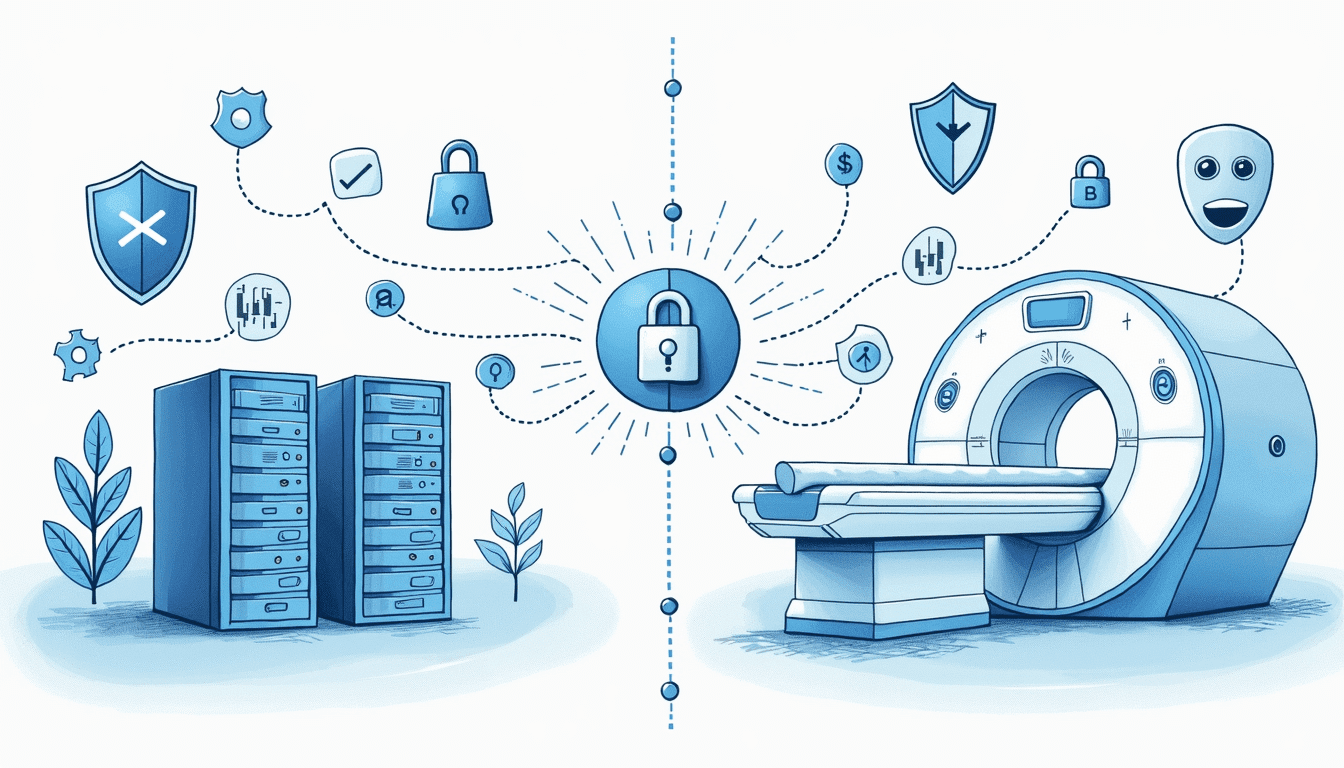
- Comparing Traditional Cybersecurity and Medical Device Cybersecurity
- Implications of Differences in Cybersecurity Practices
- Traditional vs Medical Device Cybersecurity FAQs
Why this matters
The distinction between traditional and medical device cybersecurity is profoundly significant because the stakes involve human life. An attack on a medical device can lead to physical harm, delayed treatment, or even death, a far more severe outcome than typical data breaches or financial losses in traditional IT. This necessitates specialized approaches to security architecture, risk management, and incident response. The FDA, in its "Cybersecurity in Medical Devices" Final Guidance dated February 3, 2026, emphasizes that manufacturers must proactively integrate cybersecurity throughout the total product lifecycle, from design to post-market surveillance. This guidance underscores the unique regulatory landscape for medical devices, which contrasts sharply with the general data protection regulations governing traditional IT. Furthermore, medical device cybersecurity often involves compliance with specific standards such as IEC 81001-5-1 (Health software and health IT systems safety, effectiveness and security, Part 5-1: Security, Activities in the product lifecycle) and AAMI TIR57 (Principles for medical device security, Risk management), focusing on factors like usability in clinical settings and the challenge of patching legacy systems still in use decades after their release. The implications for patient care, privacy, and the operational integrity of healthcare systems make this area a critical concern for manufacturers, providers, and regulatory bodies alike.
At a glance
| Dimension | Traditional IT Cybersecurity | Medical Device Cybersecurity | |:--- |:--- |:--- | | Primary Goal | Protect data confidentiality and business continuity. | Ensure patient safety and device clinical functionality. | | Typical Asset | Laptops, servers, cloud databases, and mobile apps. | Infusion pumps, MRI machines, and implantable pacemakers. | | Lifecycle | Fast-paced; hardware replaced every 3-5 years. | Long-term; devices often remain in service 10-20 years. | | Patching Process | Automated, frequent updates with minimal testing required. | Slow; requires rigorous validation to ensure clinical safety. | | Security Risk | Financial loss, identity theft, and reputational damage. | Physical harm, treatment delays, or loss of life. | | Regulatory Focus | GDPR, HIPAA, and industry-specific frameworks like PCI-DSS. | FDA pre-market/post-market guidance and ISO/IEC 81001-5-1. | | Common Attacks | Phishing, ransomware, and credential harvesting. | DoS on critical functions, unauthorized telemetry, and malware. | | Key Tradeoff | Productivity versus access controls. | Security hardening versus emergency access for clinicians. |
Understanding Traditional Cybersecurity
Traditional cybersecurity refers to the mechanisms and strategies to protect networks, devices, and data from unauthorized access or attacks. It safeguards information systems across diverse industries, ensuring confidentiality, integrity, and availability.
Definition and Importance of Traditional Cybersecurity
Cybersecurity is the defense of computers, servers, mobile devices, electronic systems, networks, and data from malicious threats. Its importance cannot be overstated. With the growing dependence on technology, the threats lurking in the digital shadows have become increasingly sophisticated.
Organizations must prioritize cybersecurity to prevent data breaches, identity theft, and financial loss. The infamous Equifax breach of 2017 serves as a stark reminder; it exposed the personal information of 147 million people. This colossal breach stressed the need for cybersecurity practices. The repercussions of such incidents extend beyond immediate financial losses; they can erode customer trust and tarnish an organization’s reputation for years to come, highlighting the critical need for ongoing vigilance and investment in cybersecurity measures.
Core Principles of Traditional Cybersecurity
At its core, traditional cybersecurity is built on several fundamental principles:
- Confidentiality: Ensuring that sensitive information is accessed only by authorized individuals.
- Integrity: Protecting information from being altered or destroyed in an unauthorized manner.
- Availability: Ensuring that systems and data are accessible to authorized users when needed.
These principles guide organizations in establishing effective cybersecurity strategies. Each element plays a role in fortifying the digital fortresses against potential attackers. For instance, implementing encryption protocols can enhance confidentiality, while regular audits and checks can help maintain data integrity. Furthermore, backup solutions are essential to ensure availability, allowing organizations to recover quickly from incidents that might compromise their systems.
Common Threats in Traditional Cybersecurity
Traditional cybersecurity faces an array of threats. Cybercriminals continuously innovate, devising new methods to exploit vulnerabilities. Some common threats include:
- Malware: Malicious software, such as viruses and ransomware, that disrupts operations.
- Phishing: Deceptive emails aimed at tricking individuals into revealing sensitive information.
- DDoS Attacks: Distributed Denial of Service attacks overwhelm systems, making them inaccessible.
These threats can cause significant financial and reputational damage. Organizations must remain vigilant and proactive to mitigate risks. Additionally, insider threats pose another layer of complexity; employees with malicious intent or those who inadvertently compromise security can lead to devastating breaches. Therefore, building a culture of cybersecurity awareness through training and education is vital, empowering employees to recognize potential threats and respond appropriately.
Delving into Medical Device Cybersecurity
Integrating connected medical devices into healthcare systems amplifies the need for specialized cybersecurity as technology advances. Medical device cybersecurity focuses on protecting these devices from cyber threats.
Defining Medical Device Cybersecurity
Medical device cybersecurity involves safeguarding devices that monitor or treat patients. These devices range from simple heart monitors to complex surgical robots. As they increasingly connect to the internet, they become viable targets for cyber attacks.
Healthcare organizations must implement stringent cybersecurity measures to ensure the safety and effectiveness of these devices. A cyber incident affecting a life-saving device can have dire consequences.
Unique Aspects of Medical Device Cybersecurity
Medical device cybersecurity presents unique challenges not typically found in traditional cybersecurity.
- Regulatory Scrutiny: Medical devices are heavily regulated by entities like the FDA. Compliance is paramount.
- Real-time Security: Healthcare providers often need to balance security with the need for immediate patient care.
- Device Lifecycle Management: Devices have long lifecycles, necessitating ongoing updates and patches.
These factors complicate the implementation of security protocols. They require collaboration among manufacturers, healthcare providers, and regulatory bodies. Moreover, the rapid pace of technological advancements means that security measures must evolve continuously. Manufacturers are increasingly being called upon to incorporate security features during the design phase rather than as an afterthought to mitigate potential vulnerabilities immediately.
Potential Risks in Medical Device Cybersecurity
The risks associated with inadequate medical device cybersecurity are alarming. A compromised device could deliver incorrect dosages, misreport patient data, or even be remotely controlled by malicious actors.
In 2019, the FDA issued warnings about vulnerabilities in insulin pumps, urging patients to secure their devices. Such incidents highlight the urgent need for attention in this niche. Additionally, the interconnected nature of healthcare systems means that a breach in one device can potentially lead to a cascading effect, compromising other devices and systems. This interconnectedness underscores the importance of risk assessments and the implementation of multi-layered security strategies encompassing individual devices and the entire healthcare infrastructure.
Comparing Traditional Cybersecurity and Medical Device Cybersecurity
While traditional and medical device cybersecurity share common goals, they diverge significantly.
Similarities Between the Two Domains
See also: When to Start Medical Device Cybersecurity, CVSS 3.1 vs 4.0 for Medical Devices, and Hire Cybersecurity Consultant vs. In-House.
Both fields aim to protect sensitive information and maintain operational integrity. They utilize many of the same tools and techniques, such as firewalls, encryption, and multi-factor authentication. Both areas also emphasize the importance of regular software updates.
Ultimately, both seek to minimize risks that could harm individuals or organizations. However, the context and nuances of each present unique challenges.
Key Differences Highlighted
The distinction between the two realms becomes clearer when we examine key differences:
- Stakeholders: Traditional cybersecurity generally involves IT departments, while medical device cybersecurity necessitates collaboration between IT, clinical engineering, and healthcare practitioners.
- Risk Tolerance: Traditional organizations may have different risk thresholds than healthcare organizations, where patients’ lives are at stake.
- Incident Response: Medical device cybersecurity requires a more agile and specialized response plan due to real-time implications.
In short, while both domains aim to mitigate cybersecurity threats, their application, urgency, and methodologies often differ significantly.
Regulatory Frameworks and Compliance
Another critical difference lies in the regulatory frameworks governing each field. Traditional cybersecurity is often guided by industry standards such as ISO/IEC 27001 or NIST guidelines, which provide a broad data protection and risk management framework. In contrast, medical device cybersecurity is subject to stringent regulations from bodies such as the FDA in the United States and the European Medicines Agency in Europe. These regulations dictate how devices should be secured and impose rigorous testing and validation processes to ensure that security measures do not interfere with the device’s primary function. This added layer of scrutiny reflects the high stakes involved in healthcare, where compromised devices can directly impact patient safety.
Impact of Emerging Technologies
The rapid advancement of technology further complicates the cybersecurity landscape in both domains. In traditional cybersecurity, the rise of cloud computing and the Internet of Things (IoT) has introduced new vulnerabilities, necessitating updated security protocols and strategies. Meanwhile, innovations in medical devices such as telemedicine and connected health devices have transformed patient care and expanded the attack surface for cyber threats.
As these devices become increasingly interconnected, the potential for cyberattacks grows, prompting a need for more sophisticated security measures to adapt to evolving threats while ensuring compliance with regulatory standards. This dynamic environment requires continuous education and adaptation from all stakeholders, emphasizing the importance of staying informed about technological advancements and emerging cyber risks.
Implications of Differences in Cybersecurity Practices
Understanding these differences impacts organizations by informing their cybersecurity practices.
Impact on Risk Management Strategies
Organizations need tailored risk management strategies. Traditional strategies may not suffice for patient safety. The healthcare sector must formulate a unique paradigm, emphasizing rapid response and proactive risk mitigation.
Incorporating direct feedback from medical professionals can enhance these strategies significantly. They bring a firsthand perspective on what threats could impact patient care. Furthermore, integrating advanced data analytics into risk management can help identify emerging threats and vulnerabilities, allowing organizations to avoid potential cyber incidents. By using predictive modeling, healthcare organizations can anticipate risks based on historical data, thus refining their strategies to address specific challenges unique to their operational environment.
Influence on Regulatory Compliance
Regulatory requirements differ considerably. Healthcare organizations must comply not only with general cybersecurity standards but also with specific medical device regulations. The FDA, for instance, mandates stringent security guidelines for new devices.
This regulatory complexity amplifies the need for compliance frameworks explicitly tailored for medical devices. Additionally, organizations must remain vigilant about evolving regulations, as governmental bodies frequently update guidelines in response to new threats. This necessitates ongoing training and education for staff to ensure compliance is maintained across all levels of the organization. Regular audits and assessments can also help identify compliance gaps, allowing for timely adjustments to policies and practices.
Effect on Incident Response Planning
Incident response plans must be agile. In healthcare, every second counts. An effective incident response plan should involve IT professionals and clinical staff. This collaborative approach ensures swift action to secure devices and protect patient welfare.
Regular simulations and tabletop exercises can prepare teams for real-world scenarios, enhancing their ability to respond effectively under pressure. These drills improve coordination among various departments and help identify weaknesses in the response plan. By building a culture of preparedness, healthcare organizations can significantly reduce the impact of cyber incidents on patient care and operational continuity.
Understanding the nuances between traditional cybersecurity and medical device cybersecurity equips organizations to address threats effectively.
Conclusion
While both areas fall under the cybersecurity umbrella, the key differences demand tailored approaches. Recognizing these distinctions is vital for safeguarding sensitive data and, more importantly, ensuring patient safety in the expanded digital healthcare landscape.
The need for specialized cybersecurity strategies becomes more critical as the digital healthcare landscape evolves. Blue Goat Cyber stands at the forefront of medical device cybersecurity, offering unparalleled expertise and services that align with FDA, IEC 62304, and EU MDR requirements. With a proven track record of guiding over 100 devices through FDA submissions and a commitment to secure development and early threat mitigation, our expert team is equipped to ensure your medical devices are compliant and resilient against cyber threats. Don’t let cybersecurity challenges hinder your mission to enhance patient safety.
Contact us today for cybersecurity help and partner with a leader in healthcare security to build a secure future for your medical technology.
How Blue Goat approaches this
Blue Goat Cyber approaches medical device cybersecurity with a specialized understanding of healthcare environments and regulatory demands. Our methodology integrates threat modeling, penetration testing, and security architecture reviews tailored to medical device lifecycles and clinical contexts. We ensure alignment with the FDA's "Cybersecurity in Medical Devices" Final Guidance, bringing deep expertise to pre-market and post-market compliance. Our professionals, including CISSP and OSCP certified experts, many with ex-military red team experience, identify vulnerabilities and propose practical, effective safeguards. Blue Goat Cyber does not just identify risks; we offer actionable strategies for mitigation. If the FDA raises cybersecurity deficiencies after our submission, we resolve them at no additional cost. We aim to protect innovation while prioritizing patient safety and regulatory adherence. Visit our services at: /services/fda-premarket-cybersecurity-services.
FAQ
What is the primary goal of medical device cybersecurity?
The primary goal of medical device cybersecurity is to ensure patient safety and maintain the clinical functionality of medical devices. This focus distinguishes it from traditional cybersecurity, which often prioritizes data confidentiality and business continuity.
How does the FDA influence medical device cybersecurity?
The FDA significantly influences medical device cybersecurity by establishing rigorous pre-market and post-market guidance. Manufacturers must adhere to these regulations, such as the February 3, 2026 final guidance, to ensure devices are designed and maintained securely throughout their lifecycle.
Why do medical devices have such long lifecycles?
Medical devices often have long lifecycles, sometimes remaining in service for 10-20 years, due to their high cost, complexity, and critical role in patient care. This extended lifespan poses unique challenges for cybersecurity, as devices must remain secure against evolving threats for many years.
What unique challenges does patching present in medical device cybersecurity?
Patching medical devices is uniquely challenging because updates require rigorous validation to ensure they do not compromise clinical safety or device functionality. This contrasts with traditional IT environments, where automated and frequent updates are common. The patching process is often slower and more deliberate.
Does medical device cybersecurity handle the same threats as traditional IT?
While there is some overlap, medical device cybersecurity faces unique threats such as denial-of-service attacks on critical device functions and unauthorized telemetry, which could directly impact patient treatment. Traditional IT more commonly experiences phishing, ransomware, and credential harvesting.
Can a cyberattack on a medical device cause physical harm?
Yes, a cyberattack on a medical device can cause physical harm or even death. Compromised devices could deliver incorrect dosages, misreport vital patient data, or be remotely controlled by malicious actors, leading to severe consequences for patients.
About the author
Christian Espinosa, CISSP, Founder, Blue Goat Cyber. Christian leads a team focused exclusively on medical device cybersecurity for FDA premarket submissions and postmarket compliance. Read more about Christian.
Sources & references
Primary sources cited in this article. Links open in a new tab.
- FDA- U.S. FDA
- European Medicines Agency in Europe.- EMA
- regulatory complexity- U.S. FDA