
What if the biggest problem in skin cancer diagnosis is not finding suspicious lesions, but what happens after we find them?
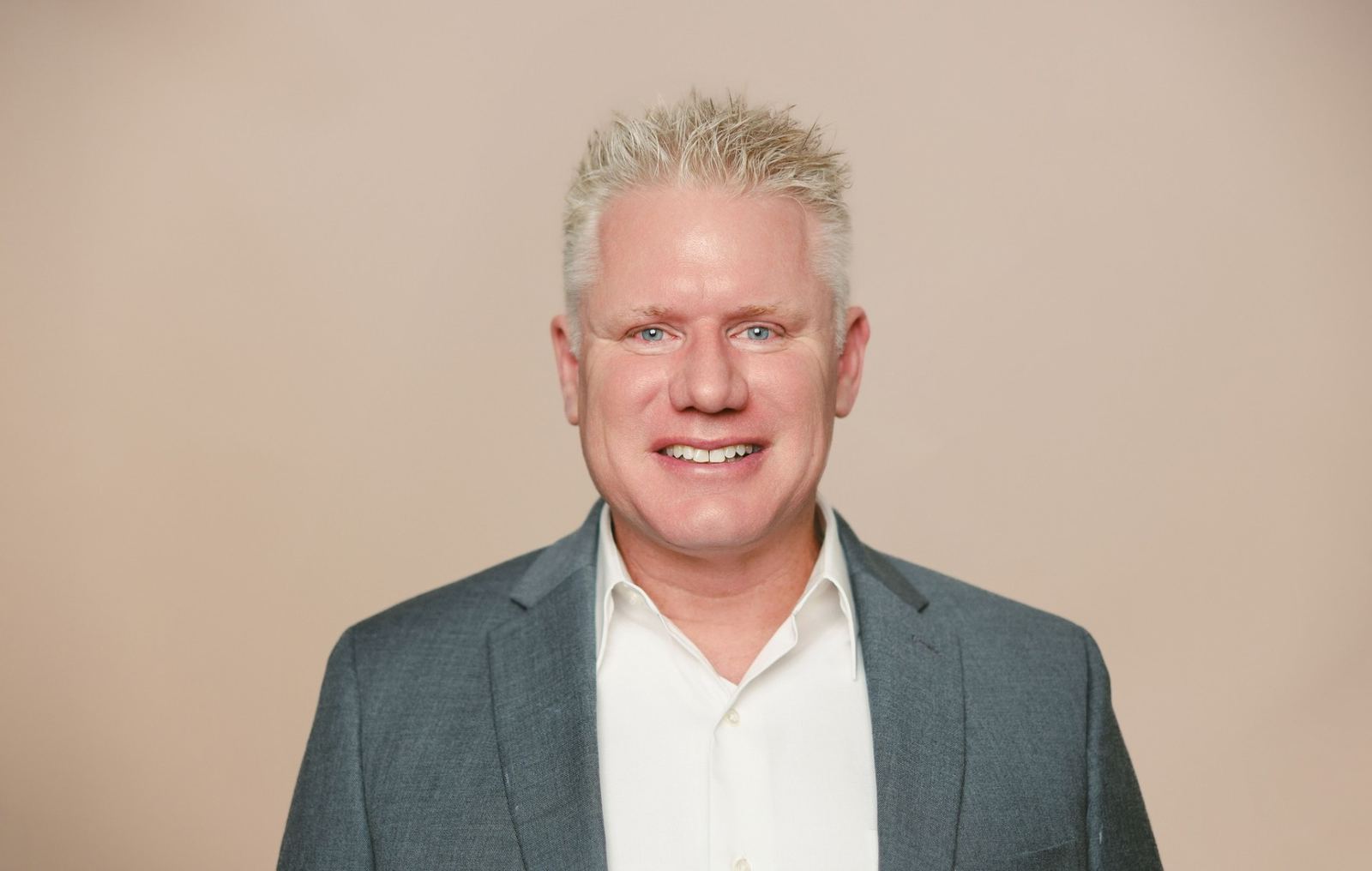
Stefan Mazy joins Christian Espinosa to discuss the personal experience that led him to explore a different approach to skin cancer testing after his mother underwent extensive surgery for an aggressive basal cell carcinoma.
Stefan explains how his team is developing a microneedle patch designed to collect cellular tissue without a traditional surgical biopsy, and why he believes the current diagnostic pathway is struggling to scale as skin cancer awareness and testing increase.
The conversation also explores the role of AI in identifying suspicious lesions, the trade-off between sensitivity and specificity, and why detecting more abnormalities could increase pressure on an already strained clinical pathway.
Christian and Stefan also discuss cybersecurity in medical technology, manufacturing risks, brain-computer interfaces and why connected devices require founders to think beyond the device itself.
In This Episode:
-
03:33 Stefan’s mother’s skin cancer diagnosis
-
08:14 Why he began searching for an alternative to biopsy
-
10:08 The scale of unnecessary skin biopsies
-
12:37 How the microneedle patch works
-
15:13 Why uncertainty creates a diagnostic bottleneck
-
23:44 Can AI reliably identify skin cancer?
-
28:07 The problem with false positives
-
31:50 Cybersecurity, brain-computer interfaces and future risk
-
35:20 Stefan’s key takeaway on technology and healthcare
Bring this work to your device
Need help with fda premarket cybersecurity?
Blue Goat Cyber delivers fda premarket cybersecurity services for medical device manufacturers - from threat modeling to FDA-ready reports.
FDA Premarket Cybersecurity ServicesMore on FDA Premarket Cybersecurity
Keep listening
- Episode 85
Building Cyber Resilience Into Medical Devices with Joe Saunders
With Joe Saunders
- Episode 82
Why the Best MedTech Candidates Aren’t Applying to Your Jobs with Darwin Shurig
With Darwin Shurig
- Episode 81
The Hidden Barriers to Clinical Adoption with Amel Havkic
With Amel Havkic
- Episode 79
Why Technical Intelligence Is Not Enough with Samantha Silk
With Samantha Silk