
Listen now
Key takeaways
- Professionals should leverage AI to automate repeatable tasks and analyze data to enhance efficiency and increase their value in their roles.
- While AI excels at procedural tasks, human creativity and critical thinking remain essential for addressing novel or un-trained scenarios and connecting disparate information.
- Cybersecurity is a fundamental aspect of product design, critical for ensuring quality code and patient safety in medical devices.
- Underestimating complexities and failing to involve security and regulatory teams early in project planning leads to delays and increased costs.
- Veterans bring valuable skills such as discipline and process-oriented thinking from military service that are highly transferable to the MedTech and cybersecurity fields.
- Maintaining human oversight in critical areas like healthcare is paramount as AI increasingly integrates into technology to ensure patient safety and quality.
- Implementing formalized processes and standards is essential for developing robust and secure systems in cybersecurity.
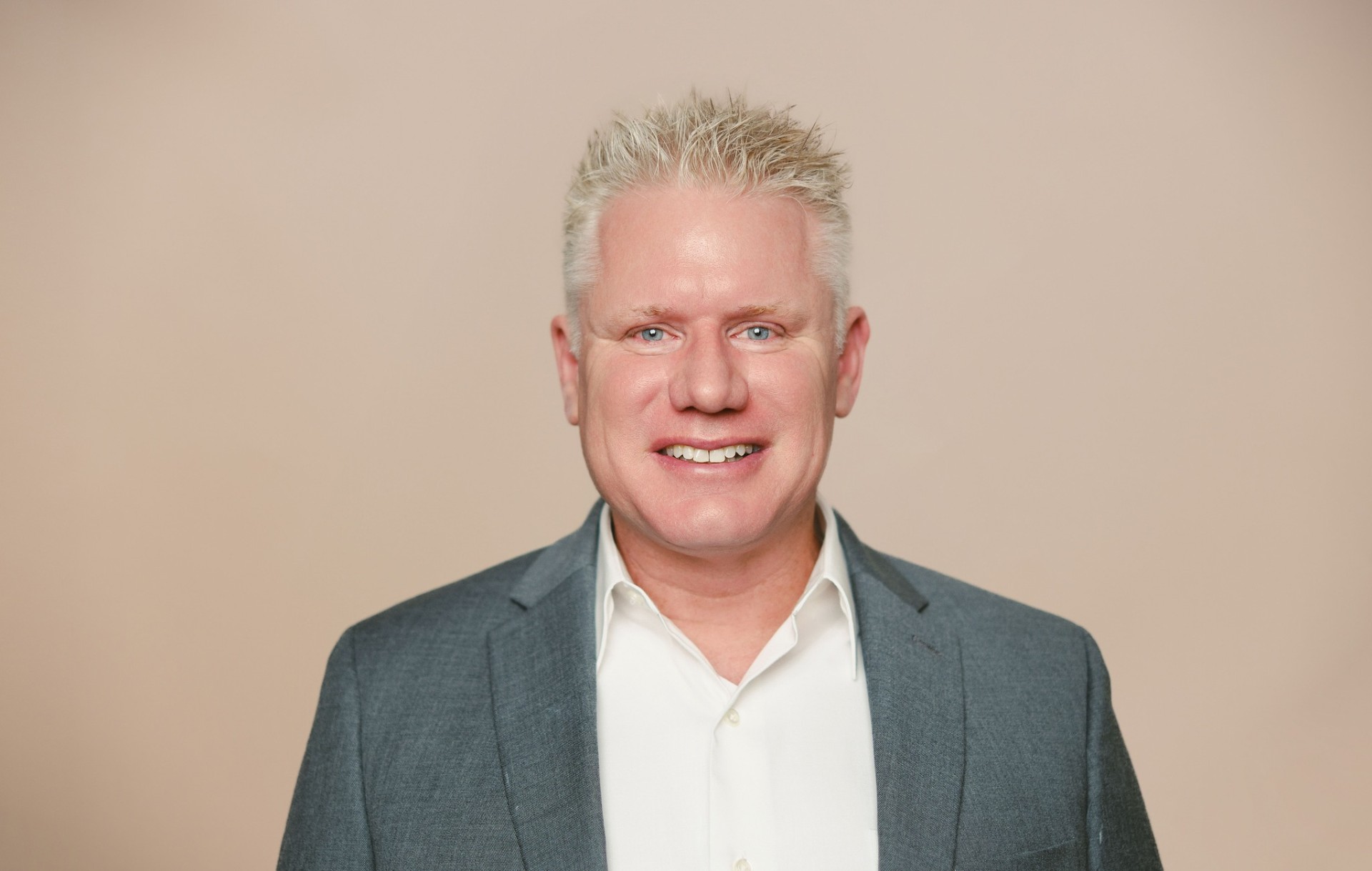
In this episode of the MedDevice Cyber Podcast, hosts Trevor Slattery and Christian Espinosa are joined by Brandon Fertig, Senior Manager at Philips, to discuss the intersection of military experience, healthcare cybersecurity, and the evolving role of artificial intelligence. Brandon shares his unique career trajectory, which began with a 20-year tenure in the Air Force where he started in IT during the early days of networking and cybersecurity before transitioning to flying C-130s. This dual background in hands-on IT and high-stakes aviation provided him with a deep appreciation for discipline, process, and the critical importance of addressing the "human factor," skills he now applies to the medical technology (MedTech) industry at Philips and through his work with MedTech Vets, an organization that helps veterans transition into the field.
The conversation delves into the core challenges facing the MedTech industry, particularly the tendency to treat cybersecurity as a reactive measure rather than a proactive, integral part of the product design lifecycle. The hosts and guest argue that robust cybersecurity is not merely a technical requirement but is fundamental evidence of quality code and is directly linked to patient safety. They explore the concept of the "Swiss cheese model" of risk, where multiple seemingly small oversights in planning—from regulatory to security—can align to create catastrophic failures. This is exacerbated by the human element; project timelines are often drastically underestimated because the complexities and edge cases are not accounted for early in the process. The speakers emphasize that what may seem like a one-month project can easily extend to six months or more when security, regulatory, and cross-departmental coordination are belatedly introduced, leading to delays, increased costs, and frustrated customers.
A significant portion of the discussion is dedicated to the impact of AI on the modern workforce. The panel counters the common fear of AI causing job displacement, reframing it as a powerful tool for augmentation and efficiency. They argue that professionals who learn to leverage AI to automate repeatable tasks, analyze data, and streamline processes will become more valuable and irreplaceable in their roles. However, they also stress AI's limitations, particularly in handling novel or un-trained scenarios, where human creativity, critical thinking, and nuance are indispensable. Using the example of a Waymo self-driving car getting stuck in an unusual traffic situation, they illustrate that while AI is excellent at procedural tasks, the human ability to connect disparate dots and solve unique problems remains a vital checkpoint, especially in critical fields like healthcare and aviation.
Key Takeaways
-
Instead of fearing AI as a job replacement, professionals should embrace it as a tool to enhance efficiency, automate routine tasks, and ultimately add more value to their roles.
-
The "human factor" is an irreplaceable element in complex systems. While AI can handle programmed procedures, it often fails at creative problem-solving in unforeseen "edge case" scenarios.
-
Cybersecurity is not an afterthought but is direct evidence of quality code and a foundational component of patient safety, especially in the medical device industry.
-
Effective project management requires proactive planning and a realistic timeline. Underestimating complexities by not involving security and regulatory teams early on leads to significant delays and costs.
-
Veterans possess highly transferable skills from their military service, including discipline, process-oriented thinking, and operating under pressure, which are invaluable in the MedTech and cybersecurity sectors.
-
As technology, particularly AI, becomes more integrated into healthcare, the focus must remain on patient safety and quality, ensuring human oversight is maintained where it is most critical.
-
Formalized processes and standards are crucial for moving beyond a reactive, "wild west" approach to cybersecurity and building robust, secure systems from the ground up.
Notable quotes
“Cybersecurity is not just a technical requirement. It is directly linked to patient safety.”
“AI, particularly in handling novel or untrained scenarios, often hits a wall. That's where human creativity, critical thinking, and nuance become indispensable.”
“If you are not addressing the human factor, you are missing a huge component of cybersecurity.”
Frequently asked questions
Bring this work to your device
Need help with fda premarket cybersecurity?
Blue Goat Cyber delivers fda premarket cybersecurity services for medical device manufacturers - from threat modeling to FDA-ready reports.
FDA Premarket Cybersecurity ServicesMore on FDA Premarket Cybersecurity
Keep listening
-
Episode 20
The Dangerous Gap in Global MedTech Security Awareness with Shahbaz Ahmed
With Shahbaz Ahmed
-
Episode 70
Why MedTech Needs Specialists with Zoltan Kevei and Saby Toth of Bishop & Co
With Zoltan Kevei
-
Episode 69
Science Before Hype in MedTech Investing with Varun Turlapati of Chaanakya Capital
With Varun Turlapati
-
Episode 65
Who Owns Patient Data Security in Trials with Rob Bedford, CEO of Franklyn Health
With Rob Bedford