
Listen now
Key takeaways
- Cybersecurity in MedTech is vital for patient safety, as clinicians require absolute trust in data integrity for treatment decisions.
- Medical device innovation should begin with identifying genuine clinical needs in collaboration with clinicians, rather than developing solutions in search of problems.
- Successful medical devices must integrate seamlessly into existing clinical workflows and IT systems to ensure clinician adoption.
- Key Opinion Leaders (KOLs) are critical for vetting new technologies and guiding MedTech companies to develop clinically relevant and effective products.
- The regulatory distinction between general wellness products and medical devices depends on whether the device makes specific medical claims or provides direct advice.
- The future of medicine involves personalized treatment and predictive analytics, utilizing technologies such as "digital twins" to model individual patient physiology.
- As AI-driven therapeutic recommendations become more common, data accuracy and legal liability (manufacturer vs. physician) will become increasingly complex issues.
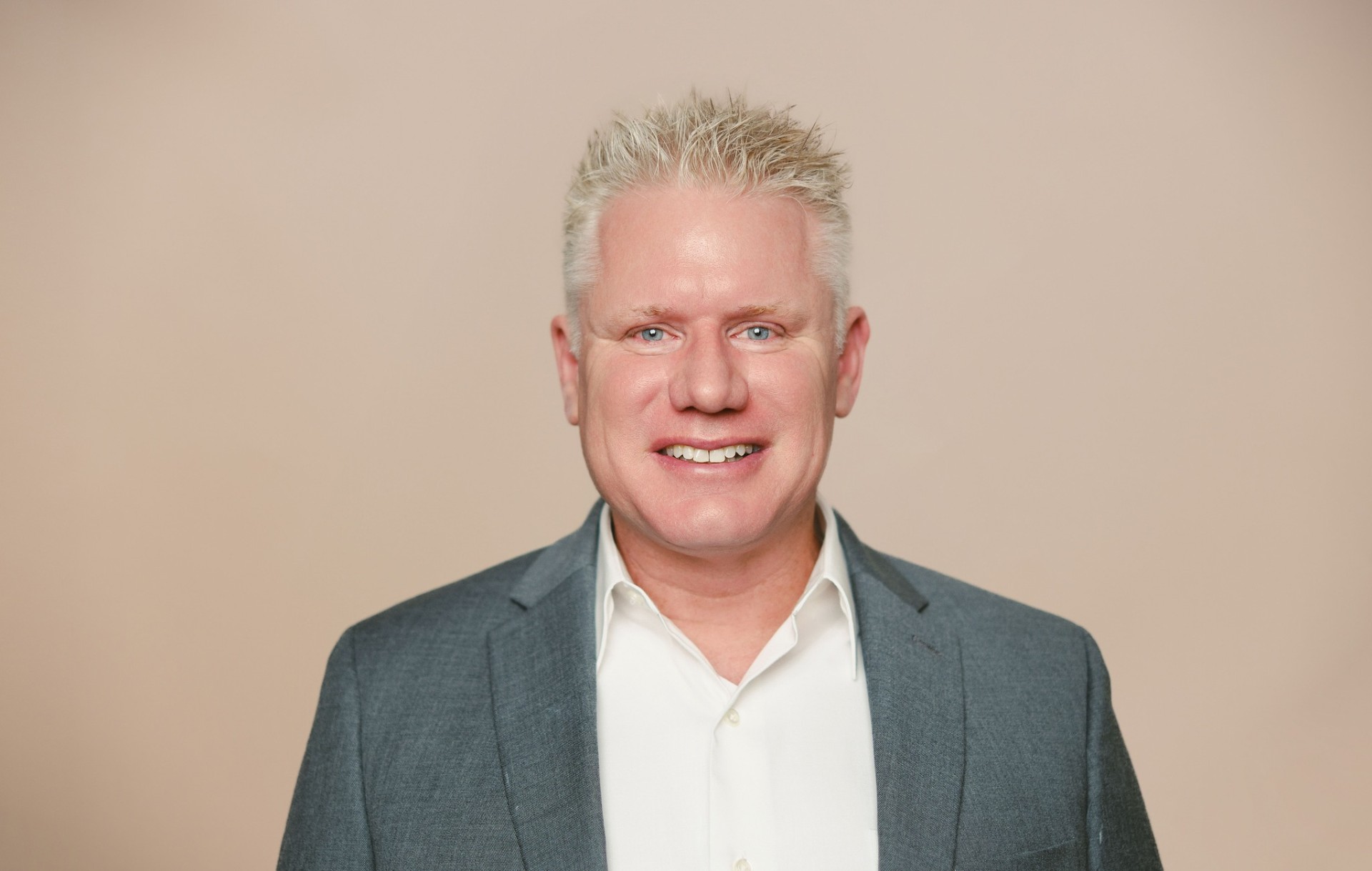
In this episode of the Med Device Cyber podcast, hosts Christian Espinosa and Trevor Slattery are joined by Professor Aamer Ahmed, a practicing cardiac anesthesiologist and co-founder of the MedTech company Hemeo. The discussion centers on the critical role of clinical expertise in medical device innovation and the paramount importance of cybersecurity in healthcare technology. Professor Ahmed is introduced as a Key Opinion Leader (KOL), a term he defines as a recognized expert in a specific medical field who contributes to academic research, publishes guidelines, and helps shape the best practices that are followed globally. He explains that industry often consults KOLs to gain an accurate understanding of the clinical landscape and ensure that new technologies are addressing real-world problems.
A central argument made by Professor Ahmed is that a frequent failure in the MedTech industry is the development of a "solution in search of a problem." Many companies create technologically impressive devices without first immersing themselves in the clinical environment to understand the actual needs and workflows of physicians. He stresses that for a product to be successful and widely adopted, it must solve a genuine problem and integrate seamlessly into the high-pressure, fast-paced setting of a hospital or clinic. If a device disrupts or complicates a doctor's established process, it is unlikely to be used, regardless of its innovations. This leads to his core advice for MedTech innovators: start by identifying a problem with the help of clinicians, rather than starting with a technology and trying to force its application.
The conversation also delves into the significant cybersecurity implications of these technologies. Dr. Ahmed emphasizes that the integrity and reliability of data from medical devices are absolutely vital. As an end-user, he needs to have complete trust that the information he receives—whether from a monitor in the operating room or a remote device—has not been tampered with, as this data directly informs life-or-death treatment decisions. The hosts explore this further, discussing the blurry line between unregulated wellness devices (like sleep-tracking rings) and official medical devices. They note that wellness products carefully avoid making direct medical claims to stay outside of stringent regulatory frameworks, which limits their utility. The episode concludes by looking toward the future, including the concept of the 'digital twin' for personalized medicine and the complex questions of liability that will arise as AI begins to provide not just data, but direct therapeutic recommendations.
Key Takeaways
-
Cybersecurity in MedTech is vital for patient safety because clinicians must have absolute trust in the integrity of the data used for making treatment decisions.
-
A common pitfall for MedTech innovators is creating a "solution in search of a problem." To be successful, companies should start by working with clinicians to identify and understand a genuine clinical need.
-
New medical devices must integrate seamlessly into existing clinical workflows and IT systems; if a device hinders a physician's process, it will likely fail to gain adoption.
-
Key Opinion Leaders (KOLs) are medical experts who play a crucial role in vetting new technologies and guiding MedTech companies to create products that are clinically relevant and effective.
-
There is a fine, but significant, regulatory line between general wellness products and medical devices, which hinges on whether a device makes specific, actionable medical claims or provides direct advice.
-
The future of medicine is moving towards personalized treatment and predictive analytics, using technologies like "digital twins" to model individual patient physiology.
-
As AI becomes more involved in making therapeutic recommendations, the accuracy of the underlying data becomes paramount, and complex legal questions about liability (manufacturer vs. physician) will need to be addressed.
-
Alarm fatigue is a real phenomenon where clinicians become desensitized to frequent, often false, alarms from monitoring equipment, underscoring the need for reliable and accurate device data.
Notable quotes
“If you are designing something that is meant for a clinician, involve the clinician from day zero. Don't go with a solution in search of a problem.”
“I need to have complete trust that this information, this waveform, this number, has not been tampered with. Because I'm making life-and-death decisions based on that.”
“The holy grail is to identify a problem and make sure that you're designing a solution that fits into the ecosystem.”
“Alarm fatigue is a real problem. You get so many alarms for so many things that are meaningless that you start to get desensitized to them. And that's dangerous.”
Frequently asked questions
Bring this work to your device
Need help with fda premarket cybersecurity?
Blue Goat Cyber delivers fda premarket cybersecurity services for medical device manufacturers - from threat modeling to FDA-ready reports.
FDA Premarket Cybersecurity ServicesMore on FDA Premarket Cybersecurity
Keep listening
-
Episode 20
The Dangerous Gap in Global MedTech Security Awareness with Shahbaz Ahmed
With Shahbaz Ahmed
-
Episode 70
Why MedTech Needs Specialists with Zoltan Kevei and Saby Toth of Bishop & Co
With Zoltan Kevei
-
Episode 69
Science Before Hype in MedTech Investing with Varun Turlapati of Chaanakya Capital
With Varun Turlapati
-
Episode 65
Who Owns Patient Data Security in Trials with Rob Bedford, CEO of Franklyn Health
With Rob Bedford