How can human-centered design influence medical device cybersecurity?
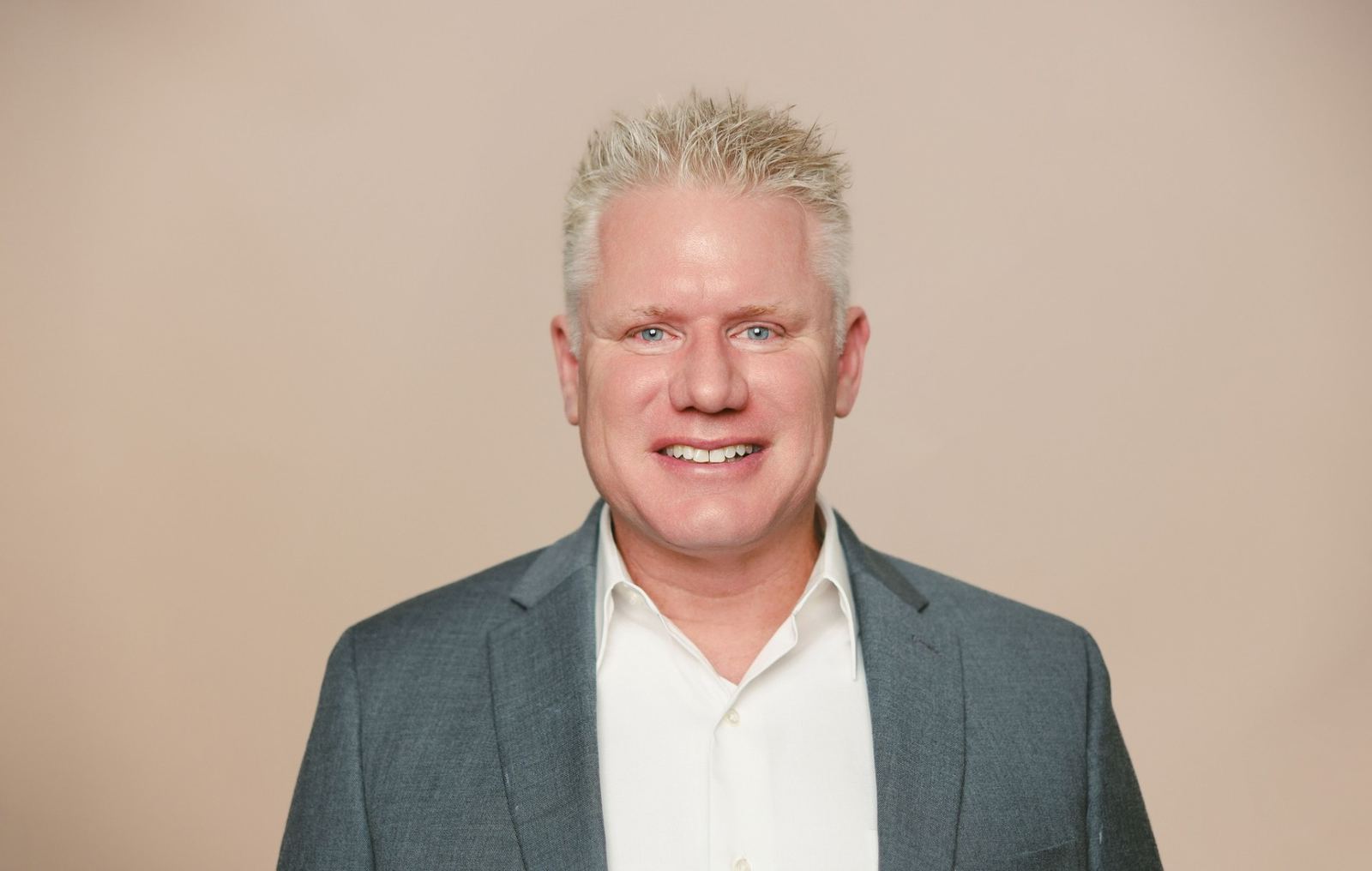
In this episode, Christian Espinosa chats with Dylan Horvath of Cortex Design about the powerful intersection of human-centered design and medical device cybersecurity. They explore how usability, trust, and empathy can shape safer, smarter devices from the start. Dylan also shares valuable insights into building design teams, learning from failure, and driving innovation in regulated industries.
Dylan Horvath is a passionate industrial designer who’s spent decades shaping how people interact with technology. As the founder and CEO of Cortex Design, he’s all about blending creativity and engineering to build medical devices that actually work for people.
(00:30) Design Thinking in MedTech
Christian and Dylan discuss the similarities between design and cybersecurity.
(07:08) The Design Process
How psychological safety and curiosity are foundations for team success.
Cortex’s lean, iterative process and fast prototyping.
(14:18) Lessons Learned
Dylan reflects on design failures and what they taught him.
The balance between regulation and innovation in MedTech.
(21:26) Security and Usability
Dylan’s thoughts on how threat modeling could better include design teams.
The trade-offs between usability and strong security in med devices.
(26:36) Design Challenges
User experience is critical, and overlooking it can lead to products that are difficult to use and unappealing to the market.
Host: Hi, welcome back to the Med Device Cyber podcast. I'm your host Christian Espinosa. I'm here with a guest today Dylan Horvath from Cortex Design. How's it going today, Dylan? Guest: It's going well. How are you, Christian? Host: I'm doing good. Uh a little bit tired. I was at LSI conference last week and uh didn't get much sleep. Uh very busy, you know, trying to get business and networking and just uh meeting more people in the community. Host: So I think it's an important topic uh with design. I know you focus a lot on human factors with your design. Can maybe you talk a little bit about I guess what some of the biggest challenges are in the industry from a design perspective. Guest: Yeah, well, I mean the there's there's certainly a greater appreciation of the uh need for great human factors engineering and and how that relates to design. Um I think, you know, broadly in uh in the medical device industry, um design has been a bit of a a laggard and in being core to the development process. And uh um the understanding of industrial design within within North America isn't is really very well understood either. Guest: Um you know, it's largely thought of as look and feel and um and, you know, in in in medical design is sort of thought of as human factors engineering whereas we think of those things cohesively as as a whole. So, you know, at Cortex, we we have a very human-centered design philosophy and process. Um but that is wrapped around um an ISO 1345 QMS design to get devices into into the market quickly. Guest: So, you know, as you know, safe and effective is is core to all medical devices, um but that doesn't mean they're commercially successful. So commercial success really means about market adoption, making sure you're designing a product that people want, that people that people understand how to use and and can resonate with um at first glance. Host: From a design perspective and I I took a class in college, uh human factors engineering, I never heard of what it was before then. Um but it's it's obviously super important for a physician or surgeon or anyone that's using these instruments because they're, you know, often in a operating room or somewhere where the the circumstances are pretty high from a risk perspective. Host: Like what what are the um I guess the main items that go into the design? Is it done like initially or you do a design and get it on the market then kind of get some feedback and tweak it or how how does that process work? Guest: Yeah. Well, so it's it's so expensive to get um a product launched and through regulatory and, you know, you really can't make very many changes without incurring a lot of expense. So design really has to, a good designer, a good product, um understands that human factors engineering has to take place from the beginning, um from the very, from the very beginning. Guest: So, you know, a lot of a lot of the clients that we work with, they've gotten things, um, past the point of, uh, you know, a bench top prototype and, you know, understanding that the science works and and that there is likely to be a market there and there's reimbursement codes and, but now they need to accelerate that towards commercialization and bring it under design controls. Guest: And um, you know, design controls for us really start with um user requirements. So, you know, there's the indications for use and intended use statements that have to be understood from the beginning. And that leads into what a user requires the the device to be. But, you know, beyond the user, you know, those are those are the the bare bones requirements. Beyond the user, there's there's a lot of stakeholders that have to be involved in accepting your product into the market. Guest: So, the people that use it may not be the people that buy it. And you know, the people that buy it may not be the people that decide whether or not it's going to be reimbursed. So, all of those stakeholders have to be understood as well and what their journey is, um what their uh what their criteria for um accepting a new product into the market is going to be. And um, that, so we broadly think of human factors engineering or or actually just the industrial design process of involving those stakeholders too uh from a very early stage. Host: Yeah, that makes sense. And it sounds like very similar to cybersecurity, it should be done in the requirements phase and designed into the system, but often people wait to the very end and it causes all kinds of issues. I imagine with the design and human factors, the earlier on, just like cybersecurity, the better. And then from your experience in the industry, I I can see you've been in the industry for quite some time. Like, have you noticed, uh, any trends in far as design or cybersecurity that, you know, are moving one way or the other? Guest: Yeah, well, I mean, certainly, um, cybersecurity is becoming an increasing concern at the, at the FDA. And, um, and with, you know, recent, recent changes in the administration and, and, uh, some of the, some of the uncertainty around staffing and, and, uh, timing for market submissions, you know, the FDA's under-resourced right now. And hopefully that won't continue to be the case. But, um, making sure that your, submissions are buttoned up, um, from, from A to Z and that certainly includes cybersecurity, um, it's going to be increasingly difficult to go back and forth um with the FDA and negotiate or, you know, try to understand what, what, uh, what gaps there might, there may be in, in the market submission. So, um, yeah, I think it's really important, as you said, like, if, if you consider some of these constraints too late in the game, it's very expensive to change. Guest: So, that, that includes cybersecurity and access to, to microcontrollers or, or computing devices on, on the device, making sure that they're hardened or protected. And, um, in a way that, that's going to be accepted first round, you know, so, rather than hiding behind, you know, a, a sort of ill-informed market submission or, something that you know isn't 100% complete. I think the recommendation we're, we're pushing forward is you have to have a very high-quality submission right at the beginning. Host: Yeah, that's a good point. Um, it sounds like if you do it the first time right, uh it'll, it'll save you a lot of effort because what you alluded to is due to the cutbacks to the FDA and things, the back and forth is going to just really, really delay your submission much more than it used to, it sounds like. Guest: I think there's a lot more uncertainty right now. So, um, and, and certainly there's, um, there's under, there's, there's, uh, a lack of, of resources or diminishing resources there. So, you know, you have to do more with less, um, and that certainly means minimizing back and forth communications, um, trying to get things right the first time. Uh, and you know, being open and honest about what your gaps are. Open and honest with yourself, so that you can close those gaps before you, before you put the submission. Guest: If you're honest about your gaps, that's great, uh, with, you know, with, with the, with the, with the FDA personnel that you're dealing with, but, um, that's probably not going to get your market accepted, or your product accepted. Host: Yeah, I I've heard a couple different things about the changes in the FDA and the current administration in the United States that some people have a theory that it's going to be easier to get things through because there's not as many people at the FDA looking at medical devices anymore, so they might just like, stamp it easier. Then some people have a theory that it's going to take longer because there's not as many people, so it's going to, you know, take longer to go through, um, the approval process, and I guess time will tell, basically. Guest: Yeah, time will tell. And, you know, if I was going to make a prediction, I would say you're probably going to have some that go through faster and some that just don't go through, rather than, you know, more of a middle ground. Host: Yeah. I, I was looking at your website and I'm, I'm interested in your, your culture. On your website is, it's, it's awesome. You have these six points on your culture. And I think they're very good things to have when you're working with a client. Uh, like one of them, you have is empathy for the user. And I'm, I wrote a book about empathy and bringing like some emotional intelligence to a high-tech industries. Like, could you like talk a little bit about your culture and, and how you got to where you have those six points, uh, like your last one is work with an eraser, for instance, like how you got to those six points? Guest: Sure. Yeah, well, you know, I, I've been running Cortex for a long time. It's been, uh, I founded Cortex in '99. And, um, we were not always a medical device company. We, we have become a medical device company over the last, uh, 10 years or so. And, um, the, the, I guess what I discovered along the way was there are some clients that we didn't do well with. And, um, and then there were, and, and staffing, you know, there, there's some staff that's early on, um, weren't good fits. Guest: And then I realized that, you know, I, I needed to articulate what I believe to be a positive culture or, or the culture that I could back up, um, at Cortex. And, um, you know, I'm hoping actually when, when new clients come to us and they, they take a look at that page. And some of them it will repel, and some of them it will attract. And both, both of those things are good. Um, if you're misaligned on core values, it's very difficult to work together. Guest: And vice versa, if that really resonates and it feels like, okay, there's, there's a culture fit here between, you know, what, what we believe. We call them the core operating principles more than like, um, like core values. There, if we resonate on those, on those core operating principles, we're, we're more likely to have a a good understanding and a positive, uh, a positive engagement. And, you know, those, those operating principles are what we believe to be important in order to produce good products and good work. Host: Yeah, I think it's awesome you've established those and my first company, maybe similar to to what you experienced, I I noticed that that 99% of my problems in the company were people did not share my values. So I established the values, very similar to yours. And then also as you mentioned, not every client is a good client. So you just talked about repelling certain clients that don't align with your values and I think that's an important point to consider because a client that doesn't align with your values can really drain a lot of your time and emotional energy and your staff's time and resources, basically. Guest: Mhm. Mhm. Yeah. Um, you know, one of the ones that's, um, I think is, you know, maybe controversial or, or, you know, may repel is, um, around, around failure, uh, or around experimenting and accepting failure. Um, we're doing new things. And, and for the most part, you know, these things have not been done before. And, um, the, the process of iteration requires an acceptance of, um, getting partway there. And, um, and you know, sometimes it's the, it's the quickly ruling out certain design avenues or, or engineering solutions, um, that, that, you know, you may think at the beginning was going to, was going to bear fruit. And, uh, and then allowing that to occur and understanding that that is part of the process that, you know, there are going to be things that don't go the way you expect them to or maybe don't even go the way you want them to. That's part of the process. And, um, you know, I, I've yet to find anyone working in this industry that can just predictively go from, you know, uh, a napkin sketch to, to a product without encountering uncertainty or encountering, encountering challenges. You know, the challenges are, um, are there. this is the, it's, it's a, it's a challenging industry. Um, but you know, that's, if you are all aligned on that and, um, you know, the, the best, the best, uh, CEOs and, and leaders that we work with have been through that and they understand that. So, you know, if, if we can say that and, and they read it and agree, then, you know, we're probably going to be a better fit than someone who, um, just wants to dictate a process from, um, a, from beginning to end without an understanding that things can fluctuate. Host: Yeah, I, I, I think redefining failure is an important topic. I think there's a lot of negative connotation around failure, but it's, like you said, it's a process and as long as you're willing to, what I call, the philosophy of Kaizen, it's continuous and never-ending improvement. You're going to make a few missteps, but as long as you can reflect on that and make the improvements, ultimately that's the philosophy I think that that makes the most sense. Host: And, and you mentioned you were doing design in a, uh, not just for MedTech, but what, what was the shift towards, um, the MedTech industry? Was there a certain client you were, you had? Or like, what, what was that transition like? Guest: Yeah. Um, so yeah, we, we started doing work for, um, mostly design and then manufacturing for, um, for components of medical devices. So that was how we, that was how we got our start. There was a a company up here, um, in Toronto called Baylis Medical. And, uh, and we worked with, with them on, on some component redesign and, and making things, um, less expensive to manufacture in small volumes. Um, but with, with very high quality and kind of open up, open up the possibilities what, what could be, what could be done, um, in challenging volumes. That's, uh, that's some of their engineering teams have kind of dismissed. So, that was how we started. Um, and I just found the, actually the, the core values and, and the, and the purpose, uh, behind developing medical devices and being able to help people and, um, literally, um, reduce pain or, or give them, um, abilities that they wouldn't have otherwise. Um, it was just really well aligned with, with what I wanted to do in, in my life. And, um, and so I started finding the other people that had those, the same alignments and, and, you know, at, at this point, I think it's, um, it's, it would be difficult to go back and work on like a Bluetooth speaker, you know? It's like, it doesn't really have the same oomph as, you know, working on a phototherapy device for, for babies born with jaundice, you know? It's like, it's not, it doesn't have that same, uh, return on heartbeats, I guess, uh, is what I would describe. So, yeah, I think the, we, we got involved in this really big, uh, moonshot project, um, called the Qualcomm Tricorder X-Prize competition, which was this, you know, $10 million incentivized competition, um, to, um, create a doctor in the box. And we started that project in 2014, initially doing, um, user experience, uh, for, for a very well, um, engineered group of solutions that would, that would satisfy the requirements of the, of the X-Prize. Guest: And as the, as the project went on, you know, at that time, about half the, half the entry was, was based around whether or not, um, the user experience was positive. So we became short-listed as one of 10 finalists, um, with our work. And we ended up being one of three winners in the, in that competition and, you know, designed a a functioning medical device that monitored all five human vital signs continuously, uh, for three days, it was a wearable. Um, and, uh, and a, a base station that's, uh, had a built-in IVD system and, and, um, uh, was able to detect and diagnose 15 chronic human health conditions. Um, and we did this all in an extremely short period of time. Um, it was really challenging. Um, we kind of blew our brains out doing it, but, um, but that, that really consolidated my interest in, in going into that field. And so, then we went after, um, having our quality management system, uh, certified. And we started with 9,001 and we got, got 1345 and, um, added manufacturing and, and, um, so, you know, we've, we've, uh, now, now we're really honed around producing, um, very high quality consumer MedTech devices. Host: Yeah, awesome. And congrats on the, uh, competition there. It sounds like the doctor in a box sounds, uh, interesting. It sounds like a lot of pressure, short, short amount of time, but you pulled it off. Guest: Yeah. Yeah, it was really nuts. You know, there was, there was, uh, there was a waiver by the FDA for, um, the, you know, the typical delays and doing, uh, trials for, for human trials. There was like bioethic safety and, and, you know, the FDA was actually an integral part of the competition. Uh, but we didn't have that same waiver in, in Canada. So we had, we had a much more challenging time, um, going through, um, getting ethics approval and time to, to keep up with the, with the competition. Um, but, yeah, despite that, we ended up being, uh, one of three, I think it was, I think there were like 313 entries globally. Um, and so, you know, being one of three, we felt like, okay, I think we must know what we're doing here. You know, that felt good. Host: Yeah, that's awesome. I think it's a similar experience, uh, for me. Like, I've done traditional cybersecurity for a long time. And, you know, protecting credit card information and medical records is, is fine, but I think helping innovators bring a new product to market and making sure that product is secure, is much more rewarding because a lot of these products are enhancing someone's lives, and basically changing humanity for the, for the positive, in my experience. So, it's, it's kind of cool to be part of the journey, especially with some of these, you know, it's often just an MD that had a great idea and he hires a CTO, and to, to be part of that journey of bringing that product or that new invention to life is, is pretty amazing. Guest: Mhm. Yeah, no, it's, it's, it's really great work. And, and, um, you know, I think there's been, there's, there's certainly been incidents of, uh, cybersecurity breaches that, um, uh, you know, have, have caused patient harm. And, um, you know, it's not, it certainly wasn't intended by the people that develop them, um, but, you know, those, those penetrations can, can happen, uh, and if, if things aren't, aren't well-designed from the beginning and, and, uh, those risks understood. So, you know, I think the increased, um, focus on that by the, by the FDA and by other, other markets, um, is important. So, you know, I think your particular specialty is, um, is, is a really great niche that everybody needs as well, right? So, that's, um, yeah, I can understand why that work would feel rewarding. Host: Yeah, everybody needs it, uh, if they're software, obviously. I, I think one of the challenges is lack of awareness. Uh, a lot of people don't know what they don't know from a cybersecurity perspective. And they wait till the very end and try to bolt cybersecurity onto the product, uh, which that's not nearly, that's not as effective as, obviously, having the requirements and designing cybersecurity into the product. But it's, um, I think it's the awareness challenge. So, from Bluegott Cyber's perspective, we're trying to raise that awareness that people should be considering cybersecurity when they're doing the requirements. Uh, because cybersecurity is like a non-functional requirement. It's not required to make the device work, so it's, I think because of that, it's often overlooked because it's not really a functional requirement, but it is a, you know, a security requirement that can have ramifications later on. Guest: Mhm. Yeah, it's a, it's a bad user experience if your, uh, medical device gets hacked and, and, uh, provides the wrong treatment. Host: It, it is. And from a, design perspective, because we we deal with a lot of different devices and we always look at the design, like, are they covering up interfaces that don't need to be exposed? Is the touchscreen designed in a certain way where we can't, you know, do a, and bypass, uh, the, the the touchscreen to get in as an administrator? Like, from a design perspective, do you consider these areas from a, like, a security standpoint? Guest: Um, well, yeah, I mean, you, you, you have to now. And there, there is so many, um, things to consider at the beginning, right? And, and, I guess, you know, most, most founders are not that concerned with it, uh, right at the beginning. Whereas more mature companies have experience with this and, and, you know, we'll be, we'll be aware of what the requirements are going to be, um, from a very early stage. Um, so, you know, as a, as a service provider, it's important to introduce that at the right time. Um, and certainly, it may not be the most important problem to solve during, um, you know, the ideation phase. Um, but when you start to get into producing parts and producing circuit boards and doing, um, verification testing, um, and, and the requirement comes in then and requires a pause and, and a redesign or, you know, at the worst, like spinning circuit boards and, and, um, and changing firmware after you've already gotten past a certain verification process. Um, that can be really, really expensive. You know, if you're, if you're already doing IEC 60601 testing at a, at a test lab and you know, you've just burned through $50,000 and, and then you have to change a circuit board, um, that's a real, that's a real expensive mistake. Host: Yeah, we had, uh, a client that made a decision, like two years ago about a micro controller to use, for instance, and that micro controller did not support secure boot. Secure boot is now a requirement, uh, from the FDA. So, because of that decision a long time ago, which probably seems like an easy decision to make, they had to basically make their device stand alone to get it approved by the FDA because the initial plan was to have it connected to a, a cloud, an app and everything else, but because of that lack of the secure boot functionality of the micro controller, they, they couldn't get it approved that way. The risk was too high. So, I, I think a lot of people don't, don't consider these design decisions early on can have, like you said, a lot of ramifications if you have to undo it or redo all the work later on. Guest: Mhm. Mhm. Yeah, and, and things that can be good at the engineering stage, or you know, requirements that, you know, are important to have in there for, for the designers and the engineers that are, that are developing the device, um, does not mean it needs to be in the final product. And, you know, I think there's a, there, there can be a real disconnect where, you know, you, you see a, a user interface for a physical device that is so confusing that only the designer can really understand it. And then you know, you try and wrap that around instructions for use that, that, that describe how to use the, how to use the interface, but mistakes still happen. Um, so, considering not just from a software perspective, but also from a hardware perspective, what, what things are in there for you as the designer versus what things really need to be in there for the, for the final user and for for a market that gets excited about it. Um, and you know, it's not easy to do, um, firmware updates once the product is released. Or you know, it could be from an engineering perspective easy to do, but updating things routinely is not something that's, um, that is inexpensive to do or fast to do. So, you know, I think it's really important to, you know, if you don't want to incur those expenses and, you know, some companies can. Some companies want to get, get to market really quickly, um, and then, you know, add in other features as they go, but, uh, they should go in, you know, with their eyes wide open that that's going to require more, more money and more expenses. This convoluted way of coming back around to like, you know, vulnerabilities and, and things that are in there so that you can release a product and update it later. Um, you got to consider whether or not that's worth the risk and, uh, and protect and mitigate it accordingly. Host: Yeah, it sounds like this industry is very challenging and there's a lot of things to consider to bring a product to market. The design is definitely a consideration. I know it, uh, the LSI conference last week, the booth next to us, we had a booth there. They had this product where you could like a physician could hover over like a keyboard and it would automatically based on your, your pattern and it would automatically do certain things because I guess one of the challenges is like in an OR, you've got gloves on, you may have, uh, fluids on your hands and you can't really touch the keyboard. So, you know, there's, there's different things from a design perspective like hovering and, you know, I, I never really thought about all this, but one of the people that works for my company now, uh, my VP of Sales used to be a cardiologist and he's talking about how great these inventions are because in the OR, without these things, uh, he didn't have them all. His life is much more difficult. So, just, I think the design scenarios are very unique in MedTech. At least from my experience, I, I would imagine that's your experience as well. Guest: Yeah, well, you know, I think, um, we think of design is the whole thing, not, not just, not just the look and feel. Like, it, it is the, it's, it's really the, um, experience that is designed for a stakeholder to have, um, you know, not just the, not just how, um, how it's held or you know, how it's, um, how it's operated, um, but, you know, that, that's certainly a component of it. And, and it's, it's shocking, um, how often it's ignored. We were at the MedTech conference, um, in Toronto, uh, this past, this past fall. And, um, there was a large company, uh, who that had one of their, you know, most recent products, and I won't name names, but, but, um, the, the person that was, um, at the booth was, um, it was kind of a cool-looking device, you know, like it, it, it it drew attention just because, you know, it was kind of like a cool techie piece of gear. Um, but it was handheld and it was so heavy and it was so large, um, that the person who was even showing it at the booth couldn't operate it. And, It's not good. you know, this was not a, you know, this was a, a young, a young woman who, you know, would clearly have been one of the, one of the people that should be able to operate a device. Um, and, uh, you know, it, it just astounds you to see those sort of things pushed through when no one's going to want to use it. But it still happens, right? Because it's like there's, there's this kind of about, um, thinking that, thinking that's, um, you're right in the engineering, that, that, you know, this solves a problem and people will want, will, will get excited about the solution. But if you don't check continually with, with formative usability studies on, on things that, you know, are probably ne in the back of, back of your mind, um, and, or, you know, maybe members of your team that's, um, you know, whisper in the back corner, I don't think this is really going to be something anybody likes. You know, this, this poor person was at the booth, um, pushing, pushing this new product and, you know, I think, I think it was embarrassing. Host: Yeah, that's, uh, it's interesting that a product could get that far along, like you said, without anyone saying, timeout, this is not going to work. But I think that happens, uh, quite a bit. Guest: Yeah. Yeah, sometimes I say like, you know, if you, if you design a product that you really like, um, you'll get a sale of one. You know, it doesn't matter what you like. You, you need to, you need to make sure that the people that you're trying to sell it to like it. And if, if you never check with them, um, it's very unlikely you're going to nail it. Host: Yeah, that, that's a very good point. Uh, I, and we, at the LSI conference, uh, I, I watched a lot of pitches, um, from innovators trying to get investors, and having the product that there is a market for where other people will like, not just the innovator is a, certainly one of the things that the investors are looking for. They don't care how cool the product is. They want to see like, how many people actually need this product and does it solve a specific problem? Uh, and what price point can you sell it for based on how much it costs to make it? So, I mean, there's a lot of moving pieces in this industry and it's, it's very interesting. Guest: Yeah. Certainly a large patient population doesn't indicate you've got a large marketplace. Host: The which population? Guest: Uh, a, a patient population or like a, um, a population with a particular chronic condition or something, you know, that, that could benefit from your medical device. That doesn't mean that you're able to sell to them. Host: Yeah, because there's also the insurance factor and other, other things that go into this as well. Guest: Yeah. So it's, a lot of, a lot of things that, you know, if you're a a technology developer, you're not necessarily going to get super excited about, but, uh, but if you, yeah, if unfortunately, um, you need to, you need to design for all of those, all of those parameters. And, uh, you know, we've seen companies that have tried to enter the US market and realize that they don't have the right billing codes. Um, like that, that there is no billing code for the, for the way they're diagnostic has been designed. And, um, you know, that can be a very expensive, uh, time to realize it, you know, once the, once the, once the product is already, you know, cooked and done, and having to go back. Host: Awesome. Well, uh, I think we're running up here on time. Any words of wisdom from a design perspective or cybersecurity perspective for anyone listening to, to our podcast? Guest: Well, you know, I think that, uh, one of the, one of the cool things about this, this industry is, um, it is growing. We've got a massive, uh, demographic shift happening where, you know, the aging population or the ratio of working adults to aging adults, um, is going to be two to one in the next 10 years. Um, which means that, um, our hospitals and, and clinics are, are going to be very, very busy and, you know, staffing requirements are, are more and more challenging. So there's a lot of work to be done decentralizing and democratizing access to healthcare in order to maintain a good quality of life, um, for us here. And, um, so, you know, it's an exciting field to be in. Um, the, the return on investment is unusually high in, uh, physical device design. Uh, medical, medical device design in particular. And, um, so, partnering with good firms and, and understanding what's, um, what the requirements are going to be during those market submissions to, to get to market success and not just safe and effective. Um, there's, there's a lot of, a lot of great work to be done. It's fun to be part of. Host: All right, awesome. Well, thanks so much for having, for being on, on our podcast as a guest, uh, Dylan. And I know your website is cortex-design.com. I'm assuming people can find your LinkedIn as well. Guest: Absolutely. Yeah. Yeah. And happy to, uh, have, uh, have people, uh, follow us on LinkedIn. Um, cortex-design.com. Uh, we're in Toronto, Canada. And, um, we're, uh, class two medical device design company. Very excited to hear from, from you. And, and Christian, we're, we're, uh, looking forward to working with you in the future too. Host: Yeah, for sure. All right, awesome. Well, thanks, everyone for tuning in.
Bring this work to your device
Need help with threat modeling?
Blue Goat Cyber delivers medical device threat modeling for medical device manufacturers - from threat modeling to FDA-ready reports.