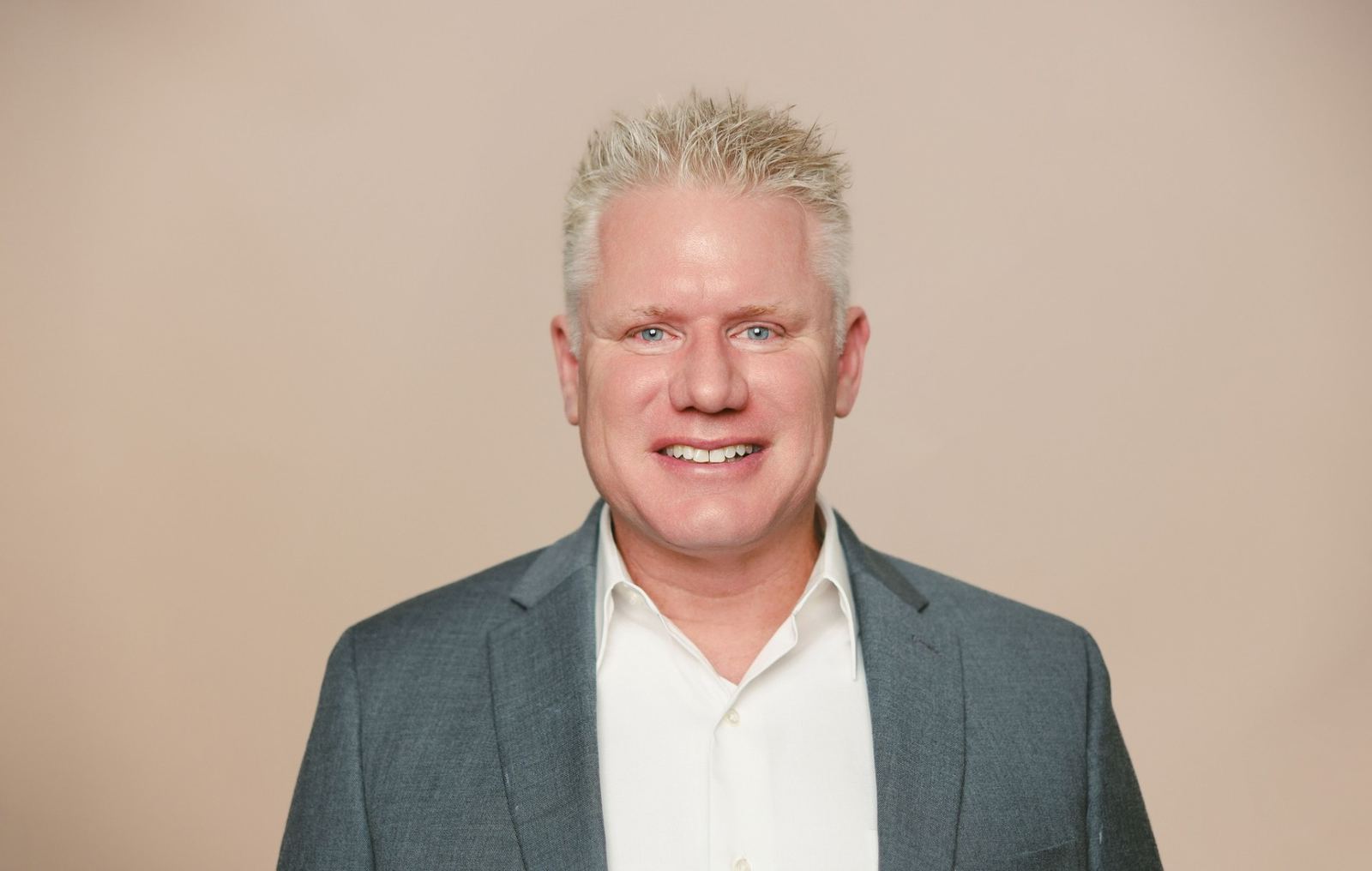
Marc Zemel has been building Retia Medical for 15 years. The company started as two guys with slides and licensed technology. Now their data-driven hemodynamic monitoring technology for consistently accurate cardiac output measurements in high-risk surgical and critically ill patients is in 75 hospitals across 18 countries, sold by Medtronic in the U.S, and the company is preparing to launch their new product Argos Infinity, pending FDA clearance.
But getting here meant dealing with cybersecurity challenges that Marc didn't see coming. In this conversation, he talks about what actually slowed them down, what he wishes he'd done differently, and why building a proper quality system from day one would have saved him years of pain.
Retia Medical develops algorithms that monitor cardiovascular function. Their technology detects problems before blood pressure drops, which makes it valuable in operating rooms and ICUs. Nurses have gotten so attached to their monitors that they literally hug them because the devices help them do their jobs better.
Marc walks through the specific cybersecurity issues that surprised him. Like how software as a medical device comes with ongoing compliance costs that hardware doesn't have. Or how documentation requirements kept changing as the FDA updated its expectations. Or how retrofitting cybersecurity into an existing product is way more expensive than building it in from the start.
He also shares his philosophy on building companies. He doesn't focus on exits or acquisition targets. He focuses on building something people can't live without. When the product is that good, the rest takes care of itself.
If you're building a medical device startup or dealing with FDA submissions, this is a conversation worth hearing.
Bring this work to your device
Need help with fda premarket cybersecurity?
Blue Goat Cyber delivers fda premarket cybersecurity services for medical device manufacturers - from threat modeling to FDA-ready reports.
FDA Premarket Cybersecurity ServicesMore on FDA Premarket Cybersecurity
Keep listening
- Episode 87
How Ethical Hackers Find Weaknesses in Medical Devices with Parker Daudt
With Parker Daudt
- Episode 85
Building Cyber Resilience Into Medical Devices with Joe Saunders
With Joe Saunders
- Episode 84
Can We Detect Skin Cancer Without a Biopsy? with Stefan Mazy
With Stefan Mazy
- Episode 82
Why the Best MedTech Candidates Aren’t Applying to Your Jobs with Darwin Shurig
With Darwin Shurig