

Published: September 16, 2025 · Last reviewed: May 1, 2026
Part of our FDA 2026 medical device cybersecurity submission series. For the full overview, start with FDA Cybersecurity Requirements for Medical Devices (2026).
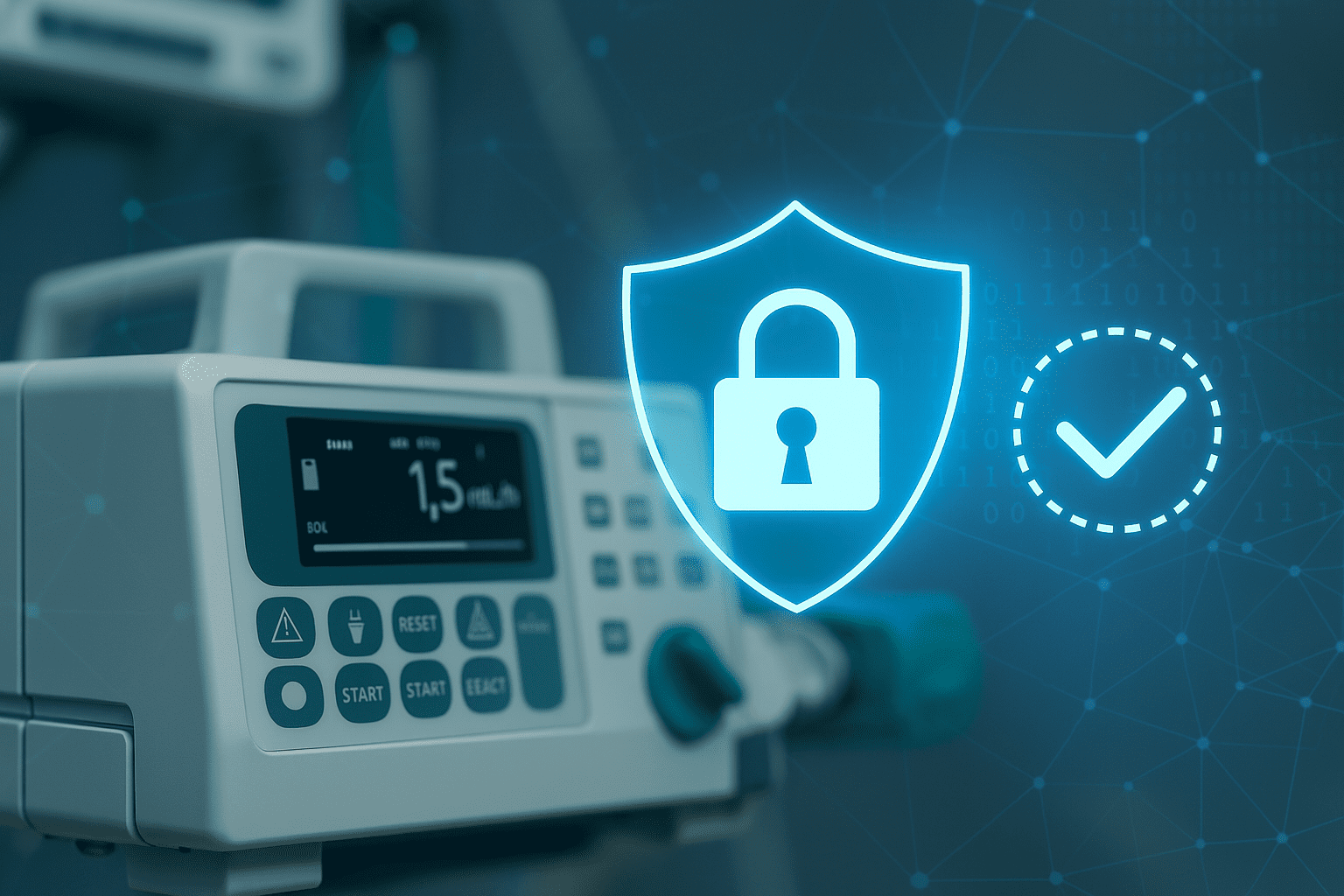
The FDA's updated guidance on medical device cybersecurity, specifically the February 3, 2026 final guidance, emphasizes security as an integral part of the device lifecycle, not just a regulatory hurdle. These guidelines provide a framework for manufacturers to build security into devices from the initial design phase, aligning with a secure-by-design approach. By adopting these measures, manufacturers can proactively mitigate risks, avoid potential penalties, and protect their reputation, ultimately benefiting from enhanced device integrity and patient safety.
Manufacturers in any industry often seek regulations as barriers or obstacles. They may add costs to production or layers of oversight. Those are usually not palatable to business, but in medical device cybersecurity, these rules are much more than red tape.
The Food & Drug Administration (FDA) recently revised its guidance on cybersecurity for medical devices. This marks the second time they’ve done so in the last three years. It may seem frequent, but the reality is that cybersecurity evolves and changes daily, ushering in new threats.
The current FDA recommendations are trying to “future-proof” for risks and vulnerabilities that are intrinsic to connected medical devices.
Let’s look at why these rules actually help manufacturers, instead of prohibiting them.
Key Takeaways
- FDA guidance evolves with cybersecurity threats.
- 2026 guidance mandates premarket security controls.
- Secure-by-design principles are crucial.
- Cybersecurity throughout the device lifecycle.
- Collaboration across teams is essential.
- Mitigates regulatory, reputational, financial risks.
Table of Contents
- Key Takeaways
- Why Did the FDA Issue New Guidance So Soon?
- How Challenging Is the New Guidance for Manufacturers?
- What Are the Most Important Aspects of the FDA Submission Related to Cybersecurity?
- How Can Stakeholders Within Manufacturing Companies Best Collaborate on Medical Device Cybersecurity?
- Challenges Will Arise, and Manufacturers Can Resolve Them with Help
Why this matters
The stakes for medical device manufacturers are higher than ever, with patient safety and brand integrity directly tied to cybersecurity preparedness. Inadequate security can lead to device compromises, data breaches, and severe financial and reputational damage. The FDA’s 'Cybersecurity in Medical Devices' Final Guidance dated February 3, 2026, makes it clear that security must be an inherent part of device development, not an afterthought. This guidance aligns with established industry standards such as IEC 81001-5-1, ISO 14971, and AAMI TIR57, which collectively advocate for risk management and security by design throughout the medical device lifecycle. Adherence to these regulations is crucial for market access and avoiding potentially costly enforcement actions, which can include refusal to accept premarket submissions. Moving beyond compliance, embedding security builds trust among healthcare providers and patients, securing a manufacturer's market position and contributing to a safer healthcare ecosystem.
Why Did the FDA Issue New Guidance So Soon?
In 2023, the FDA became the legal authority to enforce cybersecurity in medical devices. They then issued guidance relating to what the premarket submission should contain in terms of security. It allows the agency to refuse approvals if certain things aren’t in place, like the software bill of materials (SBOM) or a program for patching and updating devices.
Since that time, the FDA and industry have been able to analyze those suggestions for cybersecurity. Additionally, cyber criminals have developed more sophisticated attacks and continue to target healthcare.
A re-evaluation with some more controls came out of this time period to become the 2025 guidance now on the table.
How Challenging Is the New Guidance for Manufacturers?
Manufacturers have a heavy burden, but it does not come without reward. By embracing secure by design, being proactive about device changes and the updates required, and using a framework like ANSI/AAMI SW96, organizations have greater protection from risk.
Hacked devices could result in noncompliance fines, reputational harm, and lost trust by providers. It can be a financial and organizational collapse. When manufacturers follow the FDA guidance and even go beyond it, cybersecurity becomes part of the entire lifecycle of the device.
What Are the Most Important Aspects of the FDA Submission Related to Cybersecurity?
The new medical device cybersecurity practices cover many areas of risk. All areas have importance, and companies should start the process with a complete cyber risk assessment. You can’t effectively create a submission without this. Knowing the potential vulnerabilities allows for proactive cybersecurity.
Following a secure development practice also guides submissions. The third most crucial is the SBOM. Manufacturers should start the SBOM at the development phase to ensure an accurate picture of all software code that’s part of the device.
How Can Stakeholders Within Manufacturing Companies Best Collaborate on Medical Device Cybersecurity?
See also: SPDF and IEC 62304 Mapping: FDA Cyber Guide, FDA Penetration Testing Requirements for Medical Devices, and Letter to File vs New 510(k) for Cybersecurity Changes.
Three groups have a stake in medical device cybersecurity: software, hardware, and regulatory/compliance teams. Each must work together to deliver a product that works and is secure. While simple in statement, it’s, of course, quite complex.
Each of these stakeholders must collaborate from the start so that the right inputs and perspectives get proper consideration. Hardware and software have expertise in those fields and need regulatory and compliance experts to define how each should contribute to security.
A cohesive strategy and approach ensure that manufacturers heed the FDA guidance and can put it into practice.
Challenges Will Arise, and Manufacturers Can Resolve Them with Help
Development does not have to go off course because of security requirements. They can work in parallel, but problems can and will pop up. Even with in-house expertise, you may still be lacking in connecting all the dots of cybersecurity.
You can avoid challenges with support from a team of medical device cybersecurity professionals like Blue Goat Cyber. Contact us today to learn more.
How Blue Goat approaches this
Blue Goat Cyber helps medical device manufacturers navigate the evolving regulatory landscape. Our approach focuses on embedding security early in the device development lifecycle, aligned with the FDA's "Secure by Design" principles. We apply practical strategies for threat modeling, risk assessment, and vulnerability management, ensuring devices meet regulatory requirements before submission.\n\nOur team, featuring CISSP and OSCP certified experts, including former military red team members, provides a unique blend of offensive and defensive security expertise. We assist with premarket submissions, including SBOM generation and rigorous documentation. Blue Goat Cyber also offers continuous support for post-market cybersecurity management. If the FDA raises cybersecurity deficiencies after our submission, we resolve them at no additional cost. \n\nDiscover more about our capabilities at FDA Premarket Cybersecurity Services.
FAQ
Why did the FDA issue new cybersecurity guidance?
The FDA updated its guidance due to its 2023 authority to enforce medical device cybersecurity, continuous advancements in cyber threats, and lessons learned from prior guidance. This ensures manufacturers address evolving risks effectively.
How challenging is the new FDA guidance for manufacturers?
The new guidance demands significant effort from manufacturers by requiring a secure-by-design approach and proactive updates. However, it offers rewards such as enhanced protection against noncompliance fines and reputational damage.
What are the most important aspects of the FDA cybersecurity submission?
Key aspects include a thorough cyber risk assessment, adherence to secure development practices, and a complete Software Bill of Materials (SBOM). These elements collectively ensure devices are secure throughout their lifecycle.
How can stakeholders collaborate on medical device cybersecurity?
Effective collaboration among software, hardware, and regulatory/compliance teams from the project's inception is vital. This ensures diverse expertise contributes to security goals and aligns with FDA expectations.
Does the FDA guidance apply to all medical devices?
The FDA's February 3, 2026 final guidance applies to premarket submissions for devices with cybersecurity capabilities, ensuring new devices meet current security standards to protect patient safety.
Can manufacturers get help with FDA cybersecurity compliance?
Yes, manufacturers can seek support from specialized medical device cybersecurity professionals. External experts can help handle the FDA guidance and ensure compliance.
Related: Medical Device Cybersecurity: A Complete Lifecycle Guide
About the author
Christian Espinosa, CISSP, Founder, Blue Goat Cyber. Christian leads a team focused exclusively on medical device cybersecurity for FDA premarket submissions and postmarket compliance. Read more about Christian.
Sources & references
Primary sources cited in this article. Links open in a new tab.
- revised its guidance on cybersecurity- U.S. FDA