
Cybersecurity guides for MedTech teams.
Practical playbooks, checklists and decoders we use on every engagement - organized by lifecycle stage.
63 guides
Start here
Foundational pillars for teams new to FDA medical device cybersecurity.
10 Reasons Cybersecurity Vendors Fail MedTech
Why generic IT-security vendors keep blowing FDA submissions - and what to demand from a true MedTech specialist.
Read the guide
AAMI CR34971 Explained: AI Risk Management for Medical Devices
What CR34971 adds on top of ISO 14971, the AI-specific risk categories it covers, and how to integrate it with your existing risk file.
Read the guide
AIBOM for Medical Devices: AI Bill of Materials (2026)
What an AI bill of materials is, how it differs from an SBOM, the fields the FDA expects for AI-enabled devices, and how to generate one in CycloneDX or SPDX.
Read the guideFDA 2025 AI-Enabled Device Software Functions Guidance, Decoded
Plain-English breakdown of FDA's 2025 draft AI guidance: what it adds beyond PCCP and GMLP, transparency labeling expectations, and what reviewers want to see.
Read the guide
FDA 524B Cybersecurity Requirements: Full Compliance Guide
Master FDA 524B cybersecurity requirements. Learn how to meet SBOM, vulnerability monitoring, and patch management standards for medical device submissions.
Read the guide
FDA Cybersecurity Deficiency Response Timeline and Sequencing
A field-tested playbook for responding to FDA cybersecurity deficiencies inside the 180-day clock - triage, gap analysis, fix sequence, and reviewer-ready format.
Read the guide
FDA Cybersecurity Guidance 2026: Transition Guide and Summary
A plain-language summary of the FDA's Feb 3, 2026 final premarket cybersecurity guidance: what changed, the 8-slot eSTAR v7.0 checklist, and how to transition.
Read the guide
FDA Penetration Testing Scope: 510(k), De Novo, PMA & IDE
How to scope penetration testing for an FDA submission so the report holds up under reviewer scrutiny. Required attack surfaces, evidence depth, and how scope differs by pathway.
Read the guide
FDA SBOM Requirements for Medical Devices (2026)
FDA SBOM requirements for medical devices: required format, the seven minimum elements, vulnerability mapping, submission deadlines, and the most-cited reviewer deficiencies.
Read the guide
FDA-Grade Medical Device Threat Model: Template & Worked Example
Step-by-step template to build a threat model FDA reviewers will accept - architecture views, STRIDE, safety mapping, control traceability, and a worked example.
Read the guide
Full-Service Cybersecurity for PMA Submissions
Everything a Class III PMA cybersecurity package needs - and how a single integrated team delivers threat modeling, SBOM, pen testing, postmarket plan, and reviewer engagement.
Read the guideGMLP Crosswalk: 10 Principles to Engineering Controls
Each of the FDA/Health Canada/MHRA Good Machine Learning Practice principles mapped to concrete engineering, QMS, and documentation controls.
Read the guide
How to Pass FDA 510(k) Cybersecurity on the First Submission
The exact cybersecurity package that gets through 510(k) review without an AI letter. Eight artifacts, common rejection patterns, and a 30-day pre-submission readiness check.
Read the guideIDE Cybersecurity Requirements: The Investigational Device Guide (2026)
What cybersecurity documentation an IDE application needs under 21 CFR 812 and the FDA February 3, 2026 premarket guidance, and why Section 524B does not apply.
Read the guideIDE Cybersecurity Submission Guide
Assemble the cybersecurity content of an IDE application: Appendix 3's five elements, the binding 21 CFR 812.25 requirements behind them, and risk-scaled documentation breadth.
Read the guideIEC 60601 and Cybersecurity: What It Covers (2026)
IEC 60601 is an electrical safety and EMC family, not a cybersecurity standard. What each sub-part covers, where it touches security, and the standards that actually apply.
Read the guidePCCP Template & Worked Example for AI/ML Medical Devices
How to write a Predetermined Change Control Plan FDA will accept - structure, the three required components, performance bounds, and a worked example.
Read the guide
Postmarket SBOM Maintenance for Medical Devices
How to maintain SBOMs across a fleet of cleared devices - regeneration cadence, vulnerability triage, VEX, and the postmarket cybersecurity plan that ties it together.
Read the guide
Premarket FDA Cybersecurity Submission Checklist (2026)
A printable, item-by-item checklist for the cybersecurity content of an FDA premarket submission - aligned to the February 2026 final guidance.
Read the guideSBOM in a 510(k) Submission: Where It Goes (2026)
Where the SBOM belongs in a 510(k) eSTAR submission, what has to accompany it, how it ties to the vulnerability assessment, and the placement errors that trigger deficiencies.
Read the guide
The MedTech Cybersecurity Standards Decoder
FDA Section 524B, IEC 81001-5-1, AAMI TIR57, ISO 14971 and more - what they require, how they connect, and what the FDA expects to see.
Read the guide
The SPDF Playbook
A practical playbook for implementing the Secure Product Development Framework across your QMS and SDLC.
Read the guideWhat SBOM Format Does the FDA Require? (2026)
The FDA accepts CycloneDX and SPDX SBOMs in machine-readable form. Version floors, file types, required fields, and the format mistakes that trigger deficiencies.
Read the guideWho Is Responsible for Supplier SBOMs? (2026)
Supplier SBOM responsibility under FDA Section 524B: the manufacturer owns the device SBOM, what to require in supplier contracts, and how to document gaps reviewers will accept.
Read the guidePremarket & submission
510(k), De Novo, PMA, and eSTAR-ready deliverables for premarket filings.
Combination Product Cybersecurity: When CDER Meets CDRH §524B
How Section 524B and the Feb 2026 guidance apply to drug-device combination products, including the CDER/CDRH lead-center split.
Read the guide
Cybersecurity Management Plan for FDA Submissions: A 2026 Guide
What goes in the Cybersecurity Management Plan reviewers expect in eSTAR v7.0 Slot 1: scope, governance, QMS integration, postmarket commitments, and the most common deficiency patterns.
Read the guide
De Novo Cybersecurity Submission Guide
Learn the specific cybersecurity requirements for a successful De Novo submission. Ensure FDA compliance with threat modeling, SBOM, and pen testing.
Read the guide
eSTAR v7.0 Cybersecurity Attachments: How the 8 Slots Map to the FDA's 2026 Guidance
Side-by-side mapping of the 8 Cybersecurity attachment slots in eSTAR v7.0 to the 15 deliverables in the FDA's February 2026 final guidance, with the most common RTA trigger per slot.
Read the guide
FDA Cybersecurity RTA Prevention Checklist: Avoid Refuse-to-Accept Holds
A practitioner's checklist of the cybersecurity triggers that cause FDA Refuse-to-Accept (RTA) holds under Section 524B, and how to clear each one before you submit.
Read the guide
FDA Cybersecurity Technical Screening Checklist (2026)
A reviewer's-eye technical screening checklist for FDA cyber-device submissions: artifacts, formats, traceability, and the failure modes that turn a soft deficiency into a hold.
Read the guide
FDA Pathway Cybersecurity Differences: 510(k), De Novo, PMA, HDE, IDE, Q-Sub, PDP
How cybersecurity expectations differ across FDA pathways - 510(k), De Novo, PMA, HDE, IDE, Q-Sub, and PDP - under Section 524B and the February 2026 final guidance.
Read the guide
FDA PCCP: Predetermined Change Control Plans
How to author a Predetermined Change Control Plan the FDA will accept: modifications protocol, methods, impact assessment, and cybersecurity coverage.
Read the guide
FDA PMA Cybersecurity Requirements: Expert Guide (2024)
Master FDA PMA cybersecurity requirements. Learn the technical documentation, risk management, and SPDF requirements needed for a successful Class III submissio
Read the guide
FDA Premarket Cybersecurity Deliverables & eSTAR v7.0 Map
All 18 FDA premarket cybersecurity deliverables, mapped to the February 2026 guidance sections and the non-IVD eSTAR v7.0 fields. Used on 250+ submissions.
Read the guide
FDA Premarket Cybersecurity Submission Checklist Guide
Ensure your 510(k) or PMA is compliant. Use our checklist for FDA premarket cybersecurity submissions, covering SBOM, threat models, and pen testing.
Read the guideThreat modeling & risk
STRIDE, ISO 14971, and hazard analysis artifacts reviewers accept.
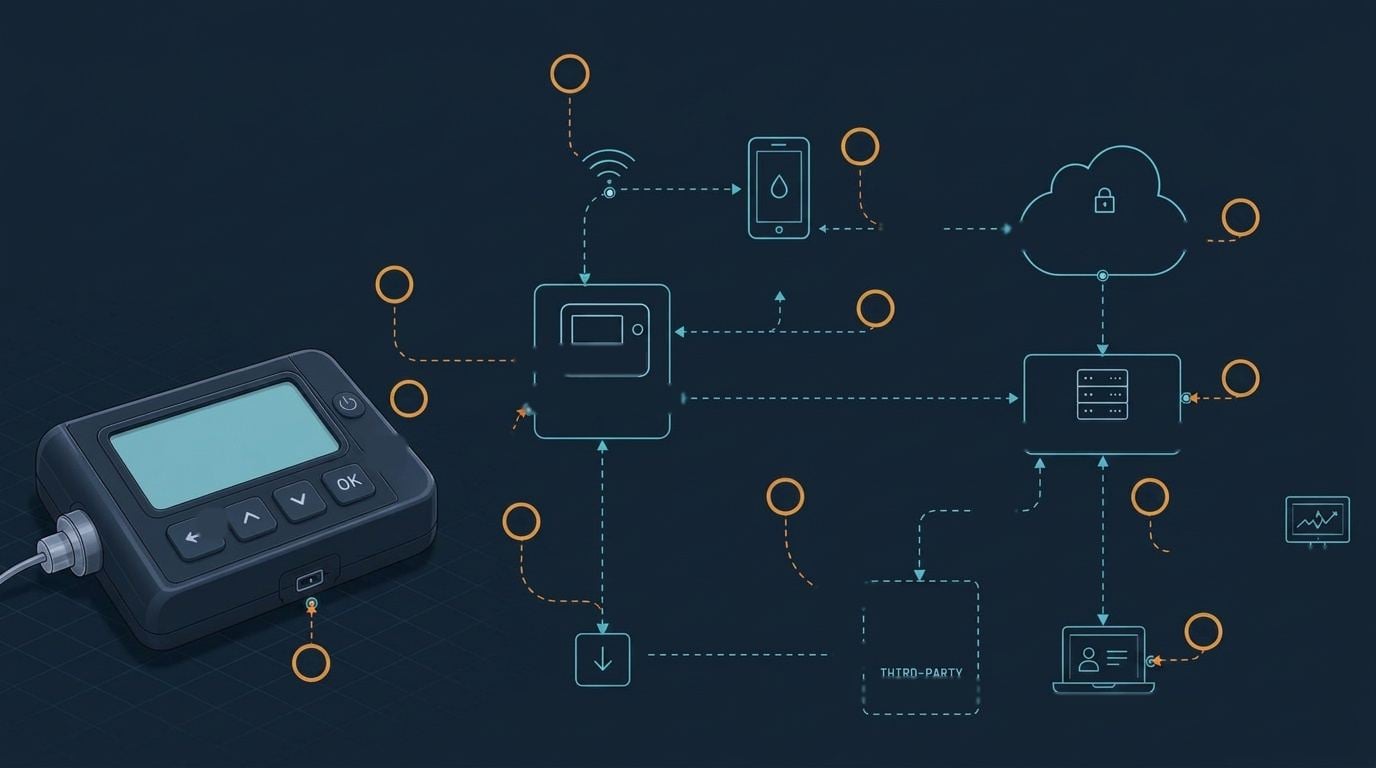
12 Critical Threat-Modeling Gaps in Submissions
Where threat models fall short of FDA expectations under the 2026 cybersecurity guidance - and how to fix the gaps.
Read the guide
AAMI TIR57 vs TIR97: Medical Device Risk Management Guide
Compare AAMI TIR57 vs TIR97. Learn how these cybersecurity risk management standards differ and how to apply them for FDA premarket and postmarket compliance.
Read the guide
IEC 81001-5-1 Security Risk Assessment Guide
Learn how to implement IEC 81001-5-1 security risk assessments for FDA compliance. Expert guidance on medical device lifecycle security mapping.
Read the guide
ISO 14971 vs AAMI TIR57: Hazard Analysis Meets Cybersecurity Risk
How safety hazard analysis and security risk analysis run in parallel and converge at the patient-harm column, with a side-by-side mapping table.
Read the guide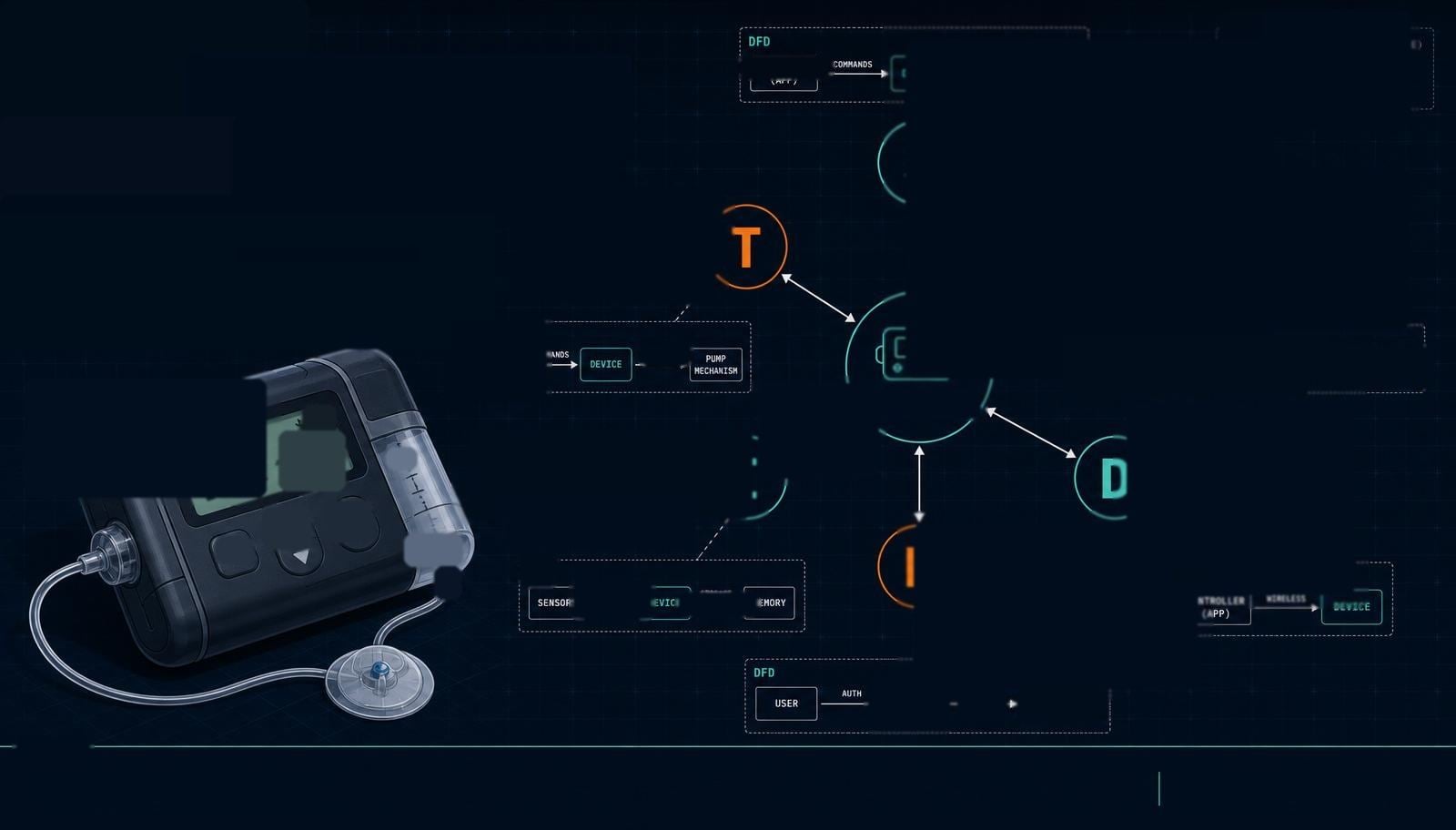
STRIDE Threat Modeling for Medical Devices
Master STRIDE threat modeling for medical devices. Learn to identify risks, meet FDA premarket requirements, and secure your MedTech ecosystem. Read our guide.
Read the guideSBOM & supply chain
SBOM generation, VEX, and third-party vulnerability management.
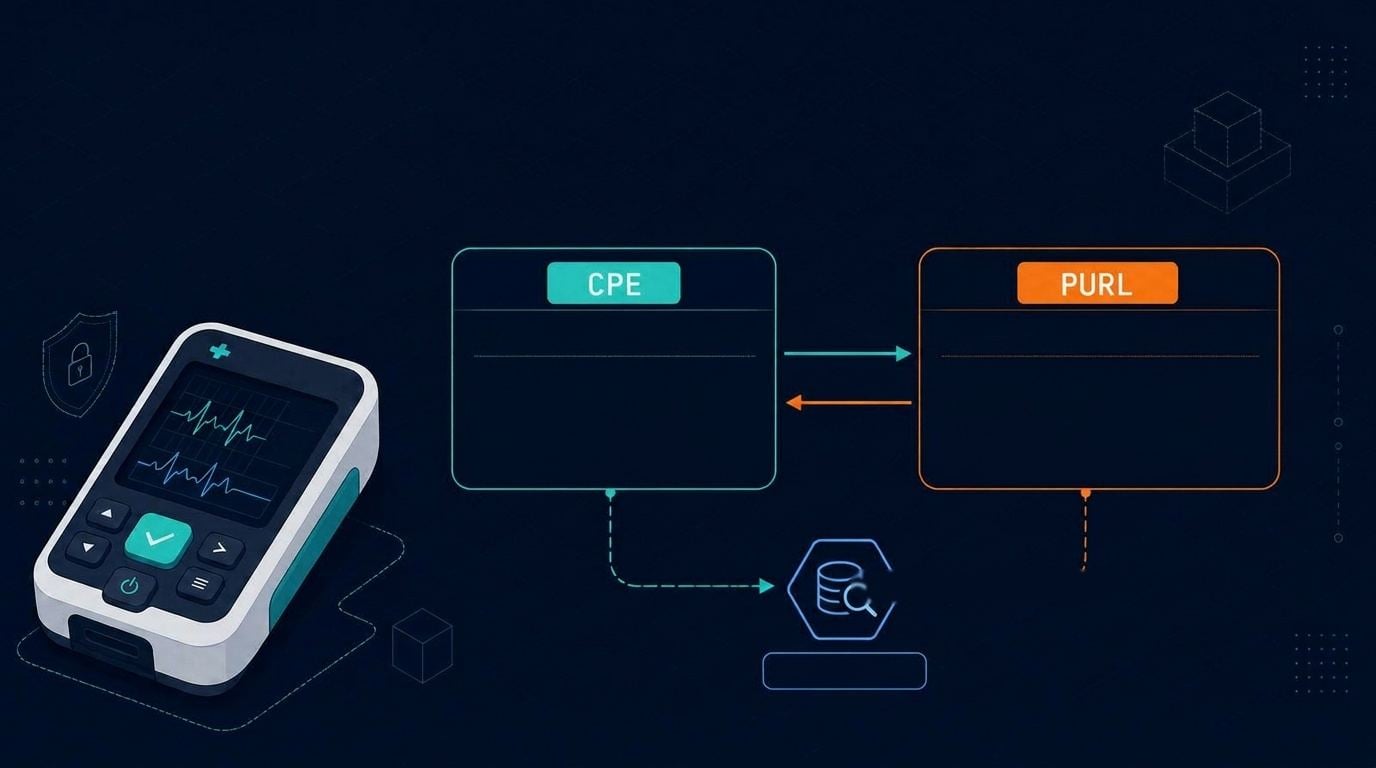
CPE vs PURL for Medical Device SBOMs: Which Identifier and When
How CPE and PURL identifiers differ, why medical device SBOMs need both, and how to map PURL to CPE for FDA postmarket CVE monitoring under Section 524B.
Read the guide
CycloneDX vs SPDX: Medical Device SBOM Compliance Guide
Does the FDA prefer CycloneDX or SPDX? Compare SBOM formats for medical device cybersecurity compliance and premarket 510(k) submissions.
Read the guide
SBOM for Medical Devices: The 2026 FDA Pillar Guide
What an SBOM is, why the FDA requires one under Section 524B, SPDX vs CycloneDX, how to generate and submit one, and how it powers postmarket vulnerability management.
Read the guide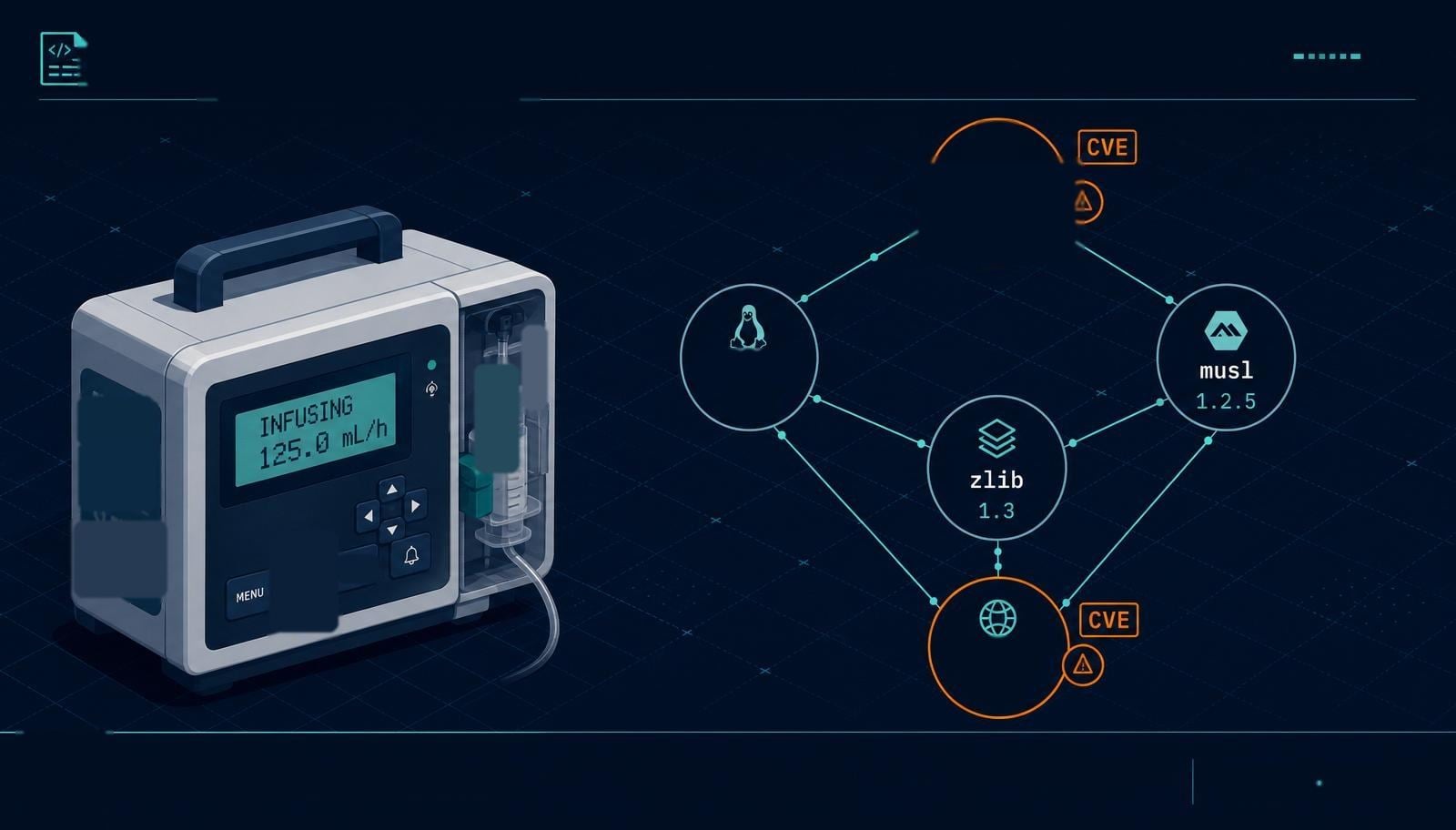
SBOM Vulnerability Management for Medical Devices Guide
Master SBOM vulnerability management for medical devices. Learn to track, triage, and mitigate software risks to meet FDA premarket and postmarket requirements.
Read the guide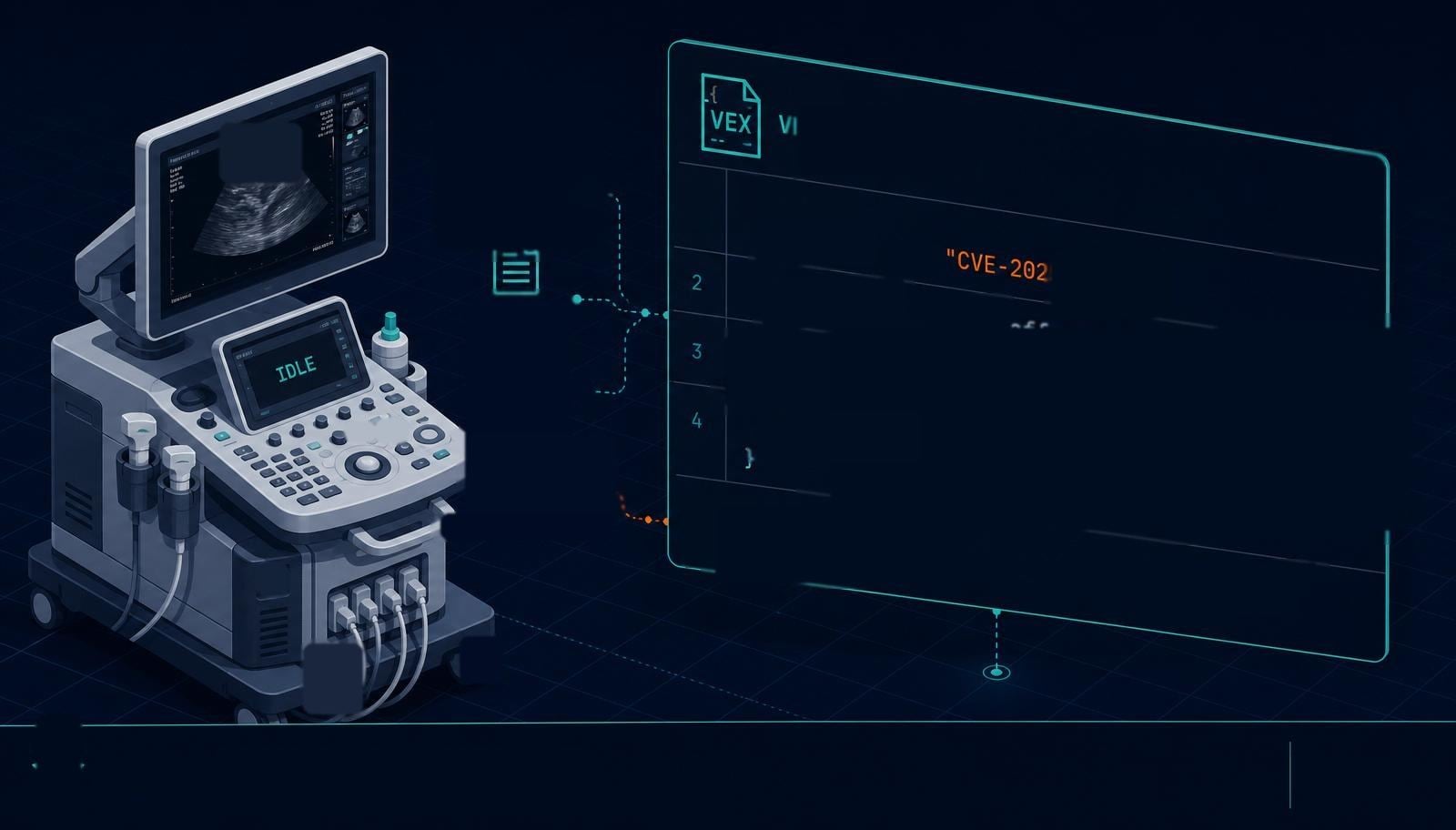
VEX Document Guide for FDA Medical Device Compliance
Learn how VEX documents complement SBOMs for FDA medical device compliance. Expert guidance on Vulnerability Exploitability eXchange for MedTech manufacturers.
Read the guideTesting & evidence
Penetration testing, security controls, and testing taxonomy proof.
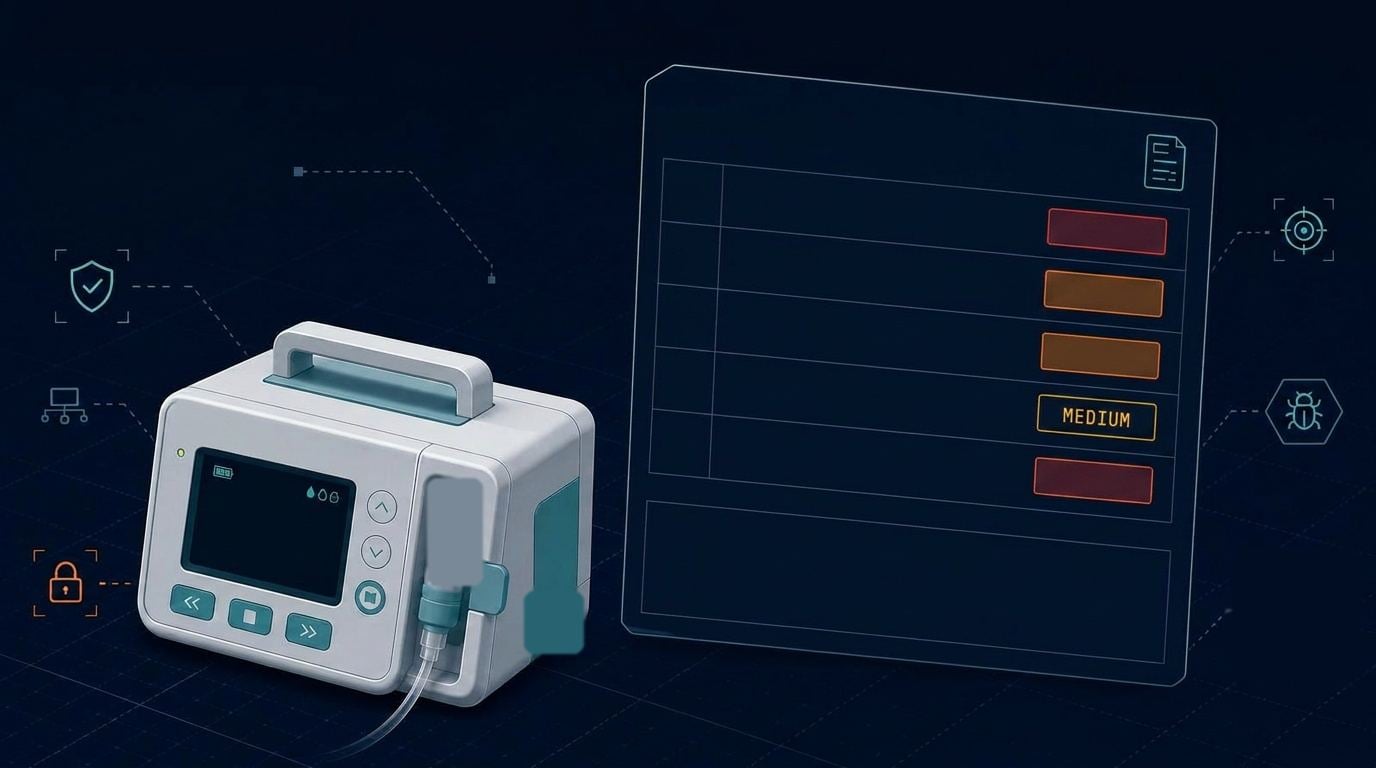
12 Critical Findings from Medical Device Pen Tests
Real, recurring vulnerabilities we uncover during penetration testing on Class II/III connected medical devices.
Read the guide
FDA Cybersecurity Testing Requirements: The Complete 2026 Taxonomy
Ten families of cybersecurity testing the Feb 2026 guidance expects, mapped to eSTAR v7.0 slots and recognized standards.
Read the guide
FDA Security Control Categories: What Reviewers Expect Per Category
The 8 security control categories every cyber device must cover, and the evidence FDA expects for each one.
Read the guide
Penetration Testing for Medical Devices: A 2026 Explainer
What medical device penetration testing is, why the FDA requires it under Section 524B, the four FDA-expected test categories, scope by device archetype, and what a credible deliverable contains.
Read the guidePostmarket & deficiency response
Monitoring, CVD, legacy devices, and FDA deficiency letter workflows.
12 Reasons the FDA Rejects Cybersecurity Submissions
The most common deficiencies we see in 510(k), De Novo, and PMA cybersecurity packages - and how to avoid each one.
Read the guide
FDA Cybersecurity Deficiency Letter Examples: Real Reviewer Wording
Analyze real-world FDA cybersecurity deficiency letter examples. Learn how to address RTA and AI deficiency requests for 510(k) and PMA submissions.
Read the guideFDA Cybersecurity Deficiency Response Checklist
Step-by-step checklist for responding to FDA cybersecurity deficiency letters without losing your submission timeline.
Read the guide
Legacy Medical Device Cybersecurity: The 2026 FDA Guide
SBOM reconstruction, vulnerability triage without source code, and end-of-support communication for devices cleared before Section 524B.
Read the guide
Medical Device CVD Guide: FDA Compliance & Best Practices
Master Coordinated Vulnerability Disclosure (CVD) for medical devices. Learn FDA requirements, ISO/IEC 29147 standards, and how to handle security researchers.
Read the guide
Postmarket Cybersecurity Monitoring Guide for MedTech
Ensure FDA compliance with our guide to postmarket cybersecurity monitoring for medical devices. Master vulnerability intake, risk assessments, and disclosure.
Read the guide
Postmarket Cybersecurity Readiness Plan
What you need in place after clearance to satisfy FDA postmarket expectations and stay ahead of vulnerabilities.
Read the guide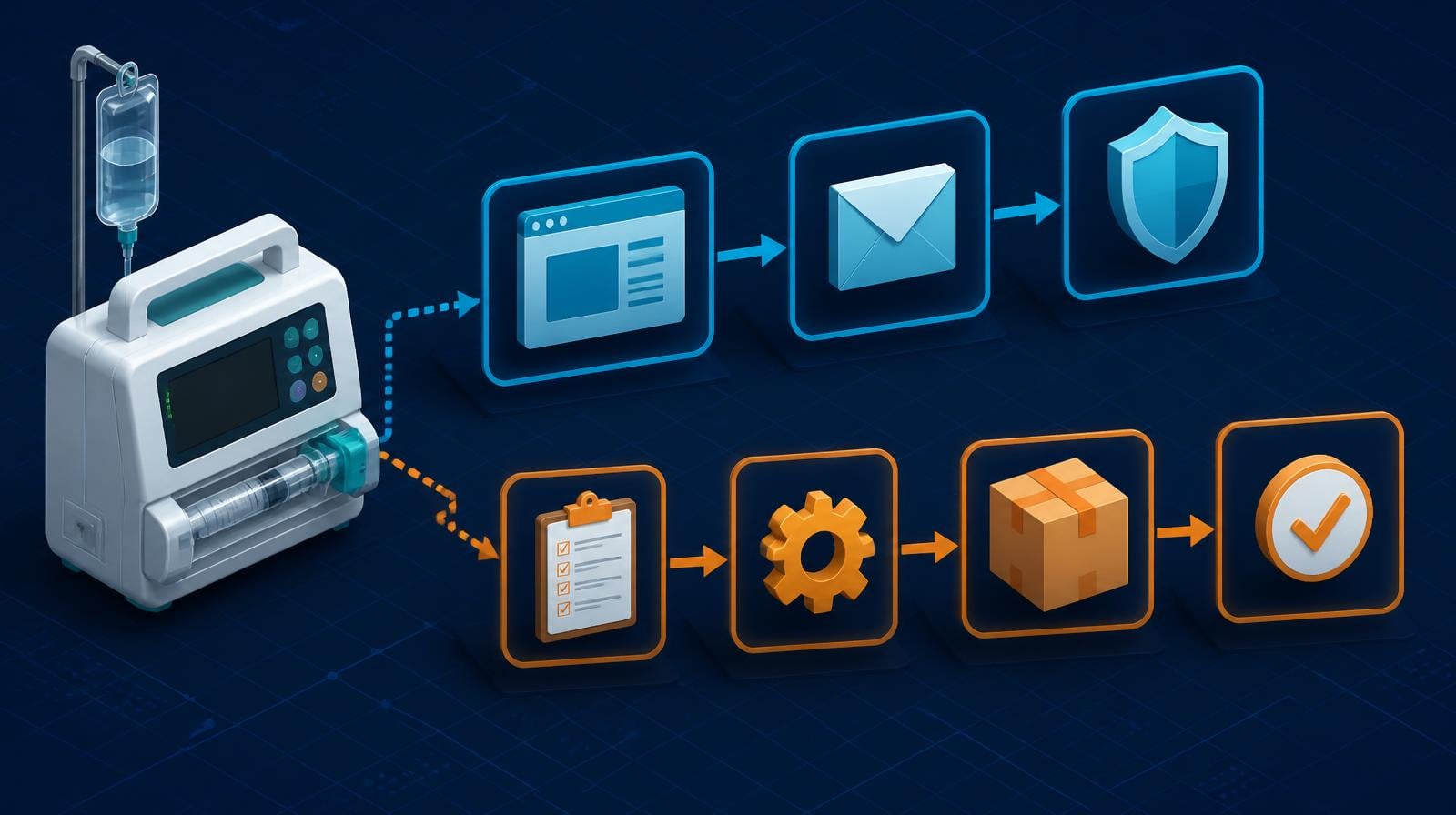
VDP and CVD Workflows for Medical Devices
Stand up a Vulnerability Disclosure Program and Coordinated Vulnerability Disclosure workflow that satisfies FDA, aligns to ISO/IEC 29147 / 30111, and actually works for a small MedTech security team.
Read the guideStandards & cross-regulatory
EU MDR, AI Act, IVD, SaMD, HIPAA, and cross-framework crosswalks.

Cybersecurity for IVD Devices: The FDA & Section 524B Guide
How Section 524B and AAMI SW96 apply to clinical analyzers, point-of-care, and connected IVD platforms, plus the pitfalls IVD teams hit.
Read the guide
EU AI Act vs FDA AI/ML Cybersecurity for Devices
How EU AI Act Article 15 obligations compare to the FDA's PCCP framework and Section 524B for AI/ML SaMD.
Read the guide
EU MDR vs FDA Medical Device Cybersecurity: A Side-by-Side Crosswalk
How EU MDR/IVDR cybersecurity requirements compare to FDA Section 524B and the February 2026 guidance - Annex I §17.2, MDCG 2019-16, SBOM, vulnerability handling, and postmarket obligations.
Read the guide
GTM Compliance Crosswalk: FDA + SOC 2 + HIPAA + HITRUST + GDPR
Overview and crosswalk of the five frameworks every MedTech innovator must satisfy after FDA clearance - shared controls, sequencing, and FAQs.
Read the guide
HHS HPH CPGs for Medical Device Manufacturers
How the HHS HPH Cybersecurity Performance Goals map to manufacturer obligations, MDS2 disclosures, and Section 524B evidence.
Read the guide
SaMD Cybersecurity FDA Requirements: 2024 Compliance Guide
Master SaMD cybersecurity FDA requirements. Learn premarket submission needs, SBOM standards, and postmarket monitoring for SaMD under Section 524B.
Read the guideBring this rigor to your next submission.
Book a 30-minute strategy session and we'll map the guides to your actual device, timeline and gaps.